










































1 minute
Helping Children Live with HIV
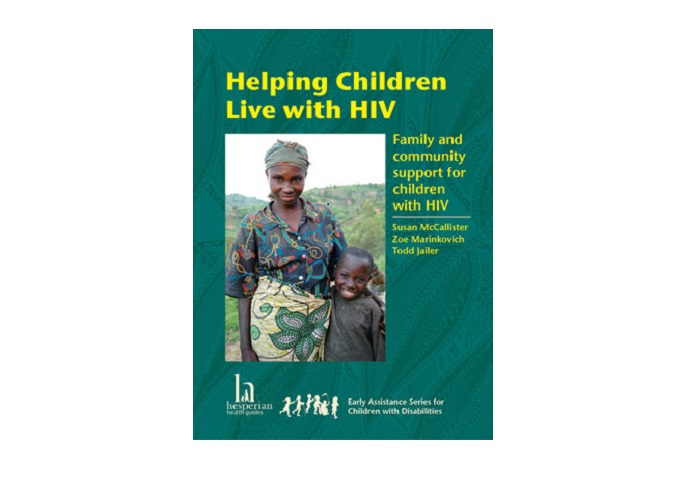
Millions of women, men, and children continue to be affected by HIV each year. While accessibility to antiretrovirals and medical treatment is expanding throughout the world, leading international health organizations agree that mitigating the impact of HIV on children and their communities remains a challenge. Babies and young children, who are completely dependent on caregivers for their physical and developmental needs, are uniquely vulnerable. HIV fragments traditional forms of support and with resources strained, caregivers and community health workers need practical, motivating information to enable them to meet children’s critical developmental needs and support struggling families.
Helping Children Live with HIV offers a holistic approach by building on the existing knowledge of parents and caregivers and respecting the importance of other local resources. It integrates health care, illness prevention, and psychosocial support for children and families coping with poverty, food insecurity, emotional trauma, loss, as well as stigma and discrimination.
This guide is intended for broad use by parents, family members, and health workers in home settings and throughout community-based health programs.
- Log in to post comments