










































Maternal Infant Young Child Nutrition - Family Planning (MIYCN-FP) Integration Toolkit
Image
SummaryText
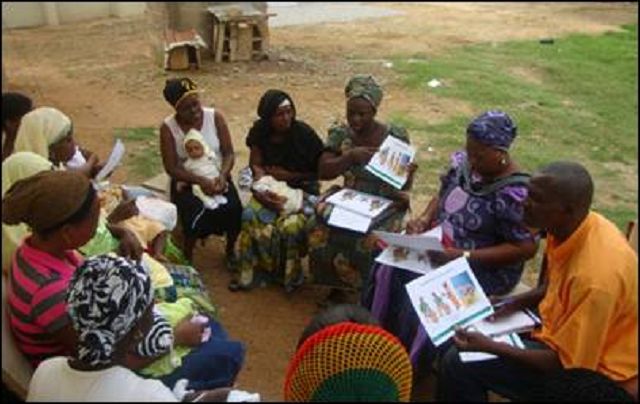
"Integrating nutrition and family planning social and behavior change communication (SBCC) activities can benefit the health of mothers and children."
K4Health Toolkits are electronic collections of selected information resources on a particular topic for health policy makers, programme managers, and service providers. This toolkit contains materials for advocacy, training, client counseling, programme implementation, and learning from country experiences around the issues of: exclusive breastfeeding and use of the lactational amenorrhoea method (LAM), complementary feeding with breastfeeding and use of modern family planning methods, and healthy spacing of pregnancies.
Contents of the online toolkit include:
K4Health Toolkits are electronic collections of selected information resources on a particular topic for health policy makers, programme managers, and service providers. This toolkit contains materials for advocacy, training, client counseling, programme implementation, and learning from country experiences around the issues of: exclusive breastfeeding and use of the lactational amenorrhoea method (LAM), complementary feeding with breastfeeding and use of modern family planning methods, and healthy spacing of pregnancies.
Contents of the online toolkit include:
- Global Evidence - This section provides links to key global evidence on the relationship between MIYCN and FP and highlights recent research and synergies.
- How to Integrate - This tab provides practical knowledge of the why, how, when, and where of integrating MIYCN and FP as well as recommendations for how to integrate based on previous successful examples of integrated service delivery. The opening, communication-related steps include: identifying a champion and a task force for integration at the central level with ample representation from the health care level where integration is proposed (facility, community, factory, school); ensuring buy-in from and engagement of stakeholders at all levels; and identifying/developing an integration package that includes relevant changes in policies and strategies, trainings, job aids, and information, education, and communication (IEC) materials.
- Advocacy - Here, key messages about MIYCN-FP are provided, as well as steps to achieving advocacy (e.g., champions or change agents should be selected by a local team to identify and analyse effective practices). As in all other portions of this resource, links to and brief summaries of toolkits and other materials are provided.
- Social & Behavior Change Communication [SBCC] - "Integrating SBCC activities for MIYCN and FP can be mutually beneficial for the health of mothers and their children. A multi-pronged, integrated approach that uses consistent, correct, and clear messages reinforced at each level can bring about significant and sustained improvements....A strategic SBCC approach follows a systematic process to analyze a problem in order to define key barriers and motivators to change, and design and implement a comprehensive set of interventions to support and encourage positive behaviors. Conducting formative research to inform the project strategy and using a proven framework for strategy development contribute to successful SBCC programs. The SBCC section of the MIYCN-FP Toolkit provides a range of tools and materials for designing a strategic approach to promoting key MIYCN-FP behaviors and related social change..."
- Capacity Building / Training - These training materials and job-aids have components of both postpartum family planning (PPFP) and infant and young child nutrition. They have been used in the field. Several training packages develop skills of facility and community-level health workers to provide MIYCN-FP messages and services. One lesson to emerge: "Training needs to be interactive where learners/participants are engaged in activities such as role plays, small group work, learning games, and opportunities to demonstrate what they have learned in field."
- Monitoring & Evaluation - Organisers call this a "living toolkit" and request input and experience.
- Country Experiences - This tab offers examples of country experiences intended to demonstrate strategies, challenges, and lessons learned from initiatives addressing the integration of FP services and maternal, infant, and young child nutrition. Country-specific counselling materials are provided.
- Related Links
Publication Date
Languages
English
Source
Posting to the Knowledge Gateway listserv, June 1 2012.
- Log in to post comments