










































Guidelines for Consulting with Children and Young People with Disabilities
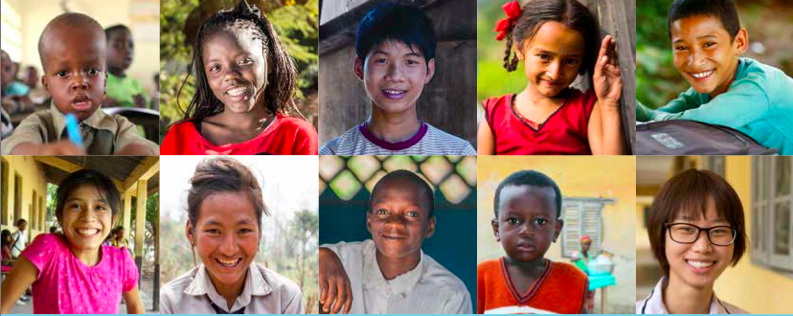
This document is a resource to support inclusive communication with children and youth with disabilities. It seeks to equip individuals and organisations working on child rights issues with the knowledge and skills to communicate and consult with children with a variety of disabilities, and at different stages in the development, implementation, monitoring, and evaluation process of programmes.
As explained in the guide, “It is crucial to consult with children and young people with disabilities as they are the experts of their own situation. However often it is not recognised that children and young people with disabilities can contribute to decision making processes and they are left out. A programme’s effectiveness and inclusivity increases when children and young people with disabilities meaningfully contribute to all stages of programme planning. If their perspectives are not sought, they may be unintentionally excluded.”
This document sets out tips and suggestions for the entire consultation process, including: planning for the consultation, general considerations for consulting with children with disabilities, specific tips for communicating with children with different types of impairments, and some case study examples. The case studies highlight some practical tools that can be used to communicate with children with different impairments, such as storyboards and feeling dice to map emotions, participatory visual methods such as roleplay, or visual aids such as videos.
The document was developed as a guide for Plan and partner staff to ensure that children with disabilities are consulted with and heard in Plan programmes. This could include:
- Field staff
- Researchers and consultants
- Community leaders and members
- Government officials
- Facilitators and trainers
- Schoolteachers
- Plan National Office and Country Office staff
The guide is divided into the following sections:
1. Why guidelines for consulting with children with disabilities?
2. What is the impact of consultation?
3. Planning for the consultation
4. General considerations
5. Consulting with children with different impairments:
- Children with Hearing Impairments
- Children with Physical Impairments
- Children with Visual Impairments
- Children with Intellectual Impairments
- Children with Communication Impairments
6. Case Studies
7. Conclusion
8. References
English
19
Plan International website on December 14 2016.