










































Life skills for children and young people
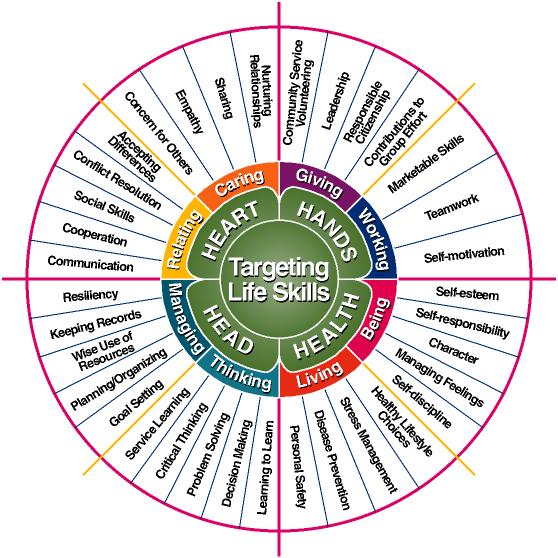
Author Rana Tassawar Ali, March 14 2014: Life skills are the abilities that help us to adopt and behave positively so that we can deal effectively with challenges of every day. Life skill education refers to a large group of psychosocial and interpersonal skills which can help people make informed decisions, communicate effectively and develop coping and self-management skills that may help them lead a healthy and productive life. Life skills may be directed toward personal action and action to change the surrounding environment to make it conducive to health. ;The importance of life skills for children is very broad; however, these are skills that improve their lives. The impact of life skills on children’s and young people’s behaviour occurs because the skills give them options and choices in life, useful in many contexts for children and young people in Pakistan. Life skills offer opportunities to develop, learn, play, and build and strengthen resiliency after an emergency or crisis, or during a protracted experience. The life skills learning does not change the events but helps children and young people to cope better with these events and enrich the world where they live.
Humanitarian organizations must design life skills in their programmes and give opportunities to children and young people to participate. For example, as part of life skills, the young people can learn about HIV and AIDS prevention and learn how to support other young people and their families with HIV and AIDS. The life skills also provide options and choices for children so that children are encouraged to come back to school and help to out-of-school children through passing on the same life skills. The scope of life skills for adapting positive behaviour is much broader than this conceptual discussion. The education department of our country must introduce life skills into the Pakistani education systems. These life skills can support our existing education system and will enhance young people’s future abilities and social decision making.
- Log in to post comments