










































Environmental Awareness Group (EAG) - Antigua and Barbuda
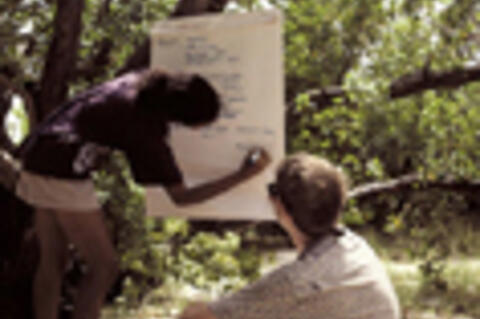
EAG's strategies focus on involving community members in efforts to build environmental awareness and to protect the environment from harmful practices on the part of native people and tourists. Specific projects include:
- Coastal and Marine Resource Programme
- Information Gathering for Wetlands Conservation Project - Initiated in 1997, this nation-wide inventory of the status (biophysical and community use) of all major wetland sites also involves informal interviews with users and community meetings. An educational video was produced to depict problems associated with Antigua and Barbuda wetlands. The purpose of the project is to strengthen legislation, improve enforcement, and ensure that the country has the institutional capacity to protect its natural resources.
- Build Private Sector Support for Wetland Conservation -Hotel managers and employees are partners in the effort to conserve mangroves while providing added attractions for locals and guests. For example, an educational signboard detailing mangrove systems has been erected in a rural village community; educational materials have been designed for wetland conservation; and nature-based merchandise has been designed for merchandising in hotel gift shops.
- Biodiversity Conservation Programme
- Antigua Racer Conservation Project - In 1995, EAG and partners initiated efforts to conserve the endangered Antiguan racer snake and its natural habitat. Activities include building partnerships (i.e., with tour operators), raising awareness (through an education campaign in local schools and the use of various forms of media), and engaging in fieldwork (with some of Antigua's older school children on an ecosystem-monitoring initiative centering around Great Bird Island and its environs).
- Coral Reef Education Project - This initiative aims to provide an interdisciplinary guide of coral reefs to Grade 5 teachers and students in Jamaica, British Virgin Islands, Dominica, St. Lucia, Barbados, Antigua and the United Kingdom. The guide uses many active learning and self-inquiry approaches, including some out-of-classroom activities.
- Forestry Conservation Programme - In 1996 the EAG implemented a tree care maintenance training and community-planting programme in local schools. For each school involved, EAG provided a shadehouse, a teachers manual, and other planting materials for the nursery. The purpose of this programme was to alter land use practices, engender attitudes of responsibility and conservation for the nation's trees, and help provide tree propagation, care and community tree planting skills to youth.
- Environmental Education Programme
- Field Trips - In addition to monthly membership meetings, which often include a guest speaker or social presentation, the EAG hosts activities for its members as often as once every month.
- School and youth organisations - At the invitation of various teachers, representatives from the Ministry of Education, and youth groups, the EAG gives lectures and slide shows and conducts field trips at primary and secondary levels.
- Resource Library - videos and slide collections, periodicals, lesson plans, manuals, books, technical reports, environmental profiles, and reference guides cover a wide range of topics, from biodiversity to waste and water management to recycling to coastal issues.
- Products - designed to raise awareness of environmental issues in Antigua.
- Nature-Based Tourism Programme - aims to educate tour operators, government officials and others about the need to manage eco-sites sustainably. A series of training courses is offered on natural history, site and visitor management and monitoring, and marketing strategies for the promotion of sustainable ecotourism.
Development Issues
Environment, Education, Children, Youth.
Project partners: Fauna and Flora International UK, The Antigua Forestry Department, Durrell Wildlife Conservation Trust, Island Resources Foundation, Black Hills State University, Caribbean Conservation Association (Barbados), the Field Studies Council (UK), and Eastern Caribbean Coalition for Environmental Awareness (ECCEA). Project funders: GEF Small Grants Programme (administered regionally by the United Nations Development Programme), the Caribbean Natural Resources Institute (CANARI) and the Inter-American Foundation (IAF), and United States Peace Corps.
Comments

- Log in to post comments