










































Village Environmental Assistance Project (VEAP)
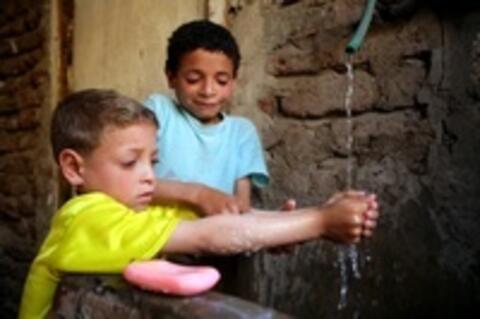
VEAP worked by following four main tracks at the same time: ensuring the water supply is safe; working to improve sanitation; providing hygiene education aimed to improve hygienic and environmental awareness and behaviour; and building the capacity of the key players in the water and environmental sector.
The project organisers developed a number of different ways of teaching communities about hygiene and the environment. Volunteers from the project villages were trained in areas such as community mobilisation, communication skills, personal hygiene, safe methods of handling water, and assessment and reporting on environmental problems in their villages. By training volunteers in the skills necessary to take care of their own families, and also in methods of communicating what they have learned to others, UNICEF hoped that the message would spread effectively and accurately, reaching far beyond the people who attended the training.
In addition to training, the project distributed information through booklets, posters, and calendars. The project also conducted educational puppet shows. Featuring the well-known Egyptian folk character Goha, the puppet show toured the areas where the project was being implemented, spreading the messages of the communication campaign in what was meant to be an entertaining and culturally appropriate way.
Environment, Health.
UNICEF worked through VEAP to extend access to safe drinking water and proper sanitation to 0.5 million people, living in deprived, relatively isolated villages of Fayoum, Beni Suef, and Minya governorates.
United States Agency for International Development (USAID), UNICEF, Drinking Water Supply and Sanitary Drainage Agencies, Egyptian Federation for Boy Scouts.
UNICEF website on June 9 2005; email from Hannan Sulieman to Soul Beat Africa on May 21 2007; and UNICEF website on January 27 2009.
- Log in to post comments