











































Talking about Vaccines in a 'Fact-Resistant World'
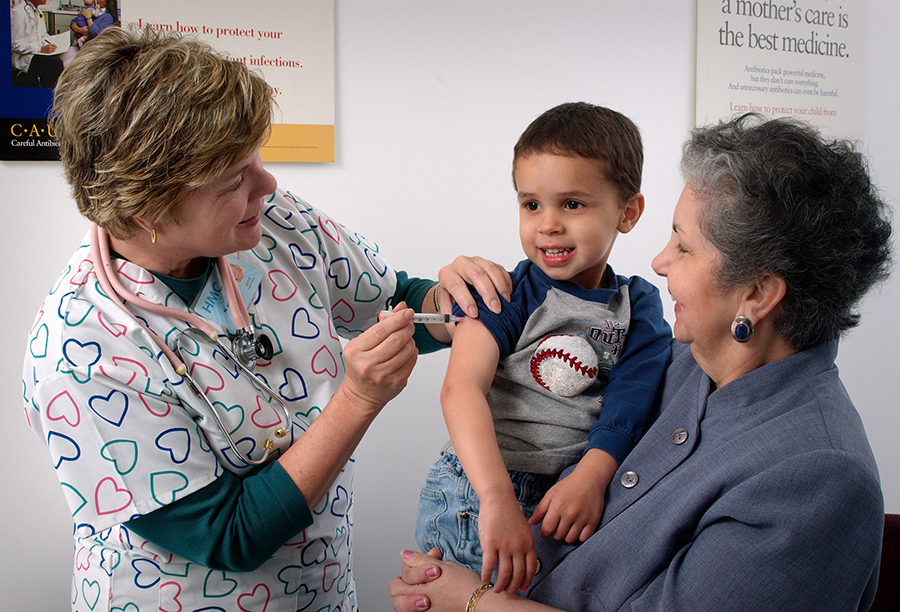
Author: Stephanie Desmon, October 31 2017 - Scientific evidence doesn't seem to carry the same weight it used to. In the new era of "alternative facts," it can be especially difficult to effectively communicate with people in order to convince them to behave in their best interests. Take the case of childhood immunizations. There has always been a sliver of the population with distrust of vaccines, some of whom have refused to get the recommended shots for their kids. But the conversations that pediatricians are having with the parents of their patients may be even more challenging in this "fact-resistant world" we live in now, says Rupali J. Limaye, PhD, an associate scientist in the Department of International Health at the Johns Hopkins Bloomberg School of Public Health and research director for the Johns Hopkins Center for Communication Programs' K4Health project.
Her advice for communicating about vaccines in the current climate is adapted from "Communicating About Vaccines in a Fact-Resistant World," a commentary she co-authored and is published in JAMA Pediatrics. Here are some tips to keep in mind when communicating with parents or anyone who might be making decisions about vaccinations:
1. Don't try to correct misperceptions.
When someone is hesitant about vaccination, the wrong response is to say, "Well, studies have shown..."
"That doesn't work," Limaye says. "Insisting their version of the facts is wrong may make things worse."
There are emotional responses and there are cognitive responses, and parents are typically coming from an emotional place when they decide to delay or skip vaccinating their children. They fear the side effects of what is being injected into their babies. Insisting their facts are wrong, communication research shows, will likely backfire, causing them to dig their heels in further.
Instead, experts say, the best response is to lay out the facts about the harms of contracting a vaccine-preventable illness and explaining that their child is susceptible. The success of vaccines probably makes it easy to forget that we are talking about diseases that used to impact the lives of millions, but don't anymore because we now have ways to prevent them. "Sometimes, though, we still have outbreaks and sometimes children die," Limaye says.
2. Explain that there is a solution.
After laying out the case that vaccine-preventable diseases can be severe, even deadly, explain that there is a simple way to protect yourself and your children: Vaccination.
3. Help make a plan.
If someone is hesitant about a vaccination, give them the gift of time. Explain the importance of making a plan about when to vaccinate. Instead of insisting it happen today, suggest they make an appointment today for the near future. "People want time to think about it sometimes," Limaye says.
Messaging around this step is important. For example, there is a push for pregnant women to get Tdap boosters and flu shots. But their spouses also need those vaccinations. Pregnant women can get it done in their OB/GYN office immediately, but their spouses can't. Encouraging a woman to make a plan to ensure her spouse is vaccinated makes it more likely to happen.
4. Words matter.
When it's time to vaccinate a child in the pediatrician's office, the conversation should feel less like a choice and more like an assumption about what is about to happen. This is called a presumptive approach. Instead of asking, "Is Johnny ready for his shot?" the doctor should say: "I'm going to give Johnny his MMR [measles, mumps, and rubella] shot." This makes vaccination the assumed course of action, not an option which can be rejected.
Research has shown that more parents voice resistance to vaccines when a physician makes it seem like an option, while fewer resist when a presumptive approach is used.
"The continued success of vaccines, one of the most effective public health interventions we have, depends on ensuring that as many people as possible are up to date on their immunizations," Limaye says. "It is truly a matter of life and death."
Click here to read the original blog post on the Johns Hopkins Center for Communication Programs website.
Image credit: James Gathany, Centers for Disease Control and Prevention
As with all of the blogs posted on our website, the content above does not imply the endorsement of The CI or its Partners and is from the perspective of the writer alone. We do not check facts and strive to retain the writer's voice, as is detailed in our Editorial Policy.
- Log in to post comments