










































Navigating an adolescents life through an avatar: A Game of Choice, Not Chance
Summary:
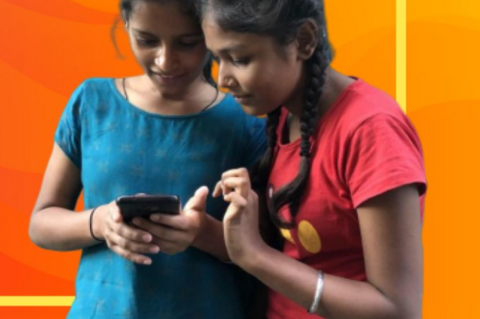
The Game of Choice (GOC) consortium, led by women-owned, small business Howard Delafield International, LLP. (HDI), in collaboration with Girl Effect, Cycle Technologies, Nam ER, with tech partner Indusgeeks and creative partner Vihara Innovation, is funded by the US Agency for International Development. The primary goal of this consortium is to pilot a role-play game in India (aimed at adolescents 15-19) that enables players to make decisions and choices for their avatar. At various points in the game, the player encounters a decision point, the player makes a decision, and the game branches into varying storylines based on the decisions taken. The game provides the user with feedback and boosters or power ups activated during game play, to connect to existing implementing partner hotlines, websites, chat bots, e-coupons for FP/RH products and other resources in real time, to positively impact the outcome of her decision. This ability of players to experience the outcome of choices through an avatar, combined with the power of game mechanics to measure those choices and to influence those decisions, makes this solution novel yet complements traditional behavior change communication interventions. This technology allows for players to experience simulated outcomes of their decisions in a safe, private and virtual space. The game is designed with the expectation that their in-game experiences translates to real life by exploring how completion of education, fulfillment of career goals, and/or a desired marriage and family are not just elements of chance, but choice.
Background/Objectives:
Adolescence is a formative time when choices and decisions made by young individuals can chart the course for the rest of their lives. Serious video games can provide a simulated reality for adolescents to navigate the course of their avatars life. With research showing correlation between identification of players with the characters used to represent them and real-world decisions, the goal of the game is to generate impact on fertility awareness knowledge and FP/RH behaviors including attitudes, self-efficacy and decision support for negotiating sex, contraceptive use, and access to information, services and products through linkages within the game.
Description of Intervention and/or Methods/Design:
This novel intervention, an interactive game, currently in the design and development phase, will provide a simulated reality for adolescents to be active navigators of their avatars life and challenge them to make scenario-based decisions including family planning and reproductive health (FP/RH) choices for their characters. Non-player characters will 'guide' them to resources, products and services over the internet to help in their decision-making (e.g. a fertility app to determine whether or not they may be at risk of pregnancy if they have unprotected sex). This technology equips players with direct-to-consumer access to reproductive health information, products and services and gives them the agency to help them chart the course of their own lives. In game analytics will allow behaviors and actions to be traced and measured within the game with win and loss states that include health, economic and social norm metrics.
Results/Lessons Learned:
During the discovery, co-design and analysis phase of the project, a clearer understanding of the aspirations and conflicts of adolescent girls emerged. By following the codes of gendered behavior and projecting an aspiration to be a 'good girl', girls from conservative families hoped for greater access to work and education opportunities. The psychographic profiling conducted by Girl Effects TEGA Network and consequently a co-design process facilitated by Vihara used the learnings from research and avatar proxies as stimulus, to guide the development of identifiable, immersive characters, narrative environments and scripts -- essential steps in developing any serious game. Most significantly from a program perspective, while the project was initially designed for girls ages 15-19 the scope has now expanded to include boys as a result of research insights with the addition of boy avatars after conducting similar psychographic research and undertaking a boy-focused co-design process.
Discussion/Implications for the Field:
This ability of players to experience the outcome of choices through an avatar, combined with the power of game mechanics to measure those choices and the influence of mentor characters and experts accessed directly through the game, make this behavior change solution novel and different from traditional behavior change communication interventions. Each of these behaviors and actions can be traced and measured within the game. With studies showing strong correlation between identification of players with the characters used to represent them and real-world decisions, this Proteus Effect will be evaluated to assess real world behavior change impact.
Abstract submitted by:
Susan Howard - Howard Delafield International, LLP.
Namita Mohandas - Vihara Innovation Network
Ashima Misri - Indusgeeks
The Game of Choice (GOC) consortium, led by women-owned, small business Howard Delafield International, LLP. (HDI), in collaboration with Girl Effect, Cycle Technologies, Nam ER, with tech partner Indusgeeks and creative partner Vihara Innovation, is funded by the US Agency for International Development. The primary goal of this consortium is to pilot a role-play game in India (aimed at adolescents 15-19) that enables players to make decisions and choices for their avatar. At various points in the game, the player encounters a decision point, the player makes a decision, and the game branches into varying storylines based on the decisions taken. The game provides the user with feedback and boosters or power ups activated during game play, to connect to existing implementing partner hotlines, websites, chat bots, e-coupons for FP/RH products and other resources in real time, to positively impact the outcome of her decision. This ability of players to experience the outcome of choices through an avatar, combined with the power of game mechanics to measure those choices and to influence those decisions, makes this solution novel yet complements traditional behavior change communication interventions. This technology allows for players to experience simulated outcomes of their decisions in a safe, private and virtual space. The game is designed with the expectation that their in-game experiences translates to real life by exploring how completion of education, fulfillment of career goals, and/or a desired marriage and family are not just elements of chance, but choice.
Background/Objectives:
Adolescence is a formative time when choices and decisions made by young individuals can chart the course for the rest of their lives. Serious video games can provide a simulated reality for adolescents to navigate the course of their avatars life. With research showing correlation between identification of players with the characters used to represent them and real-world decisions, the goal of the game is to generate impact on fertility awareness knowledge and FP/RH behaviors including attitudes, self-efficacy and decision support for negotiating sex, contraceptive use, and access to information, services and products through linkages within the game.
Description of Intervention and/or Methods/Design:
This novel intervention, an interactive game, currently in the design and development phase, will provide a simulated reality for adolescents to be active navigators of their avatars life and challenge them to make scenario-based decisions including family planning and reproductive health (FP/RH) choices for their characters. Non-player characters will 'guide' them to resources, products and services over the internet to help in their decision-making (e.g. a fertility app to determine whether or not they may be at risk of pregnancy if they have unprotected sex). This technology equips players with direct-to-consumer access to reproductive health information, products and services and gives them the agency to help them chart the course of their own lives. In game analytics will allow behaviors and actions to be traced and measured within the game with win and loss states that include health, economic and social norm metrics.
Results/Lessons Learned:
During the discovery, co-design and analysis phase of the project, a clearer understanding of the aspirations and conflicts of adolescent girls emerged. By following the codes of gendered behavior and projecting an aspiration to be a 'good girl', girls from conservative families hoped for greater access to work and education opportunities. The psychographic profiling conducted by Girl Effects TEGA Network and consequently a co-design process facilitated by Vihara used the learnings from research and avatar proxies as stimulus, to guide the development of identifiable, immersive characters, narrative environments and scripts -- essential steps in developing any serious game. Most significantly from a program perspective, while the project was initially designed for girls ages 15-19 the scope has now expanded to include boys as a result of research insights with the addition of boy avatars after conducting similar psychographic research and undertaking a boy-focused co-design process.
Discussion/Implications for the Field:
This ability of players to experience the outcome of choices through an avatar, combined with the power of game mechanics to measure those choices and the influence of mentor characters and experts accessed directly through the game, make this behavior change solution novel and different from traditional behavior change communication interventions. Each of these behaviors and actions can be traced and measured within the game. With studies showing strong correlation between identification of players with the characters used to represent them and real-world decisions, this Proteus Effect will be evaluated to assess real world behavior change impact.
Abstract submitted by:
Susan Howard - Howard Delafield International, LLP.
Namita Mohandas - Vihara Innovation Network
Ashima Misri - Indusgeeks
Source
Approved abstract for the postponed 2020 SBCC Summit in Marrakech, Morocco. Provided by the International Steering Committee for the Summit. Image credit: Game of Choice (GOC) consortium