










































Most Significant Change Web Portal

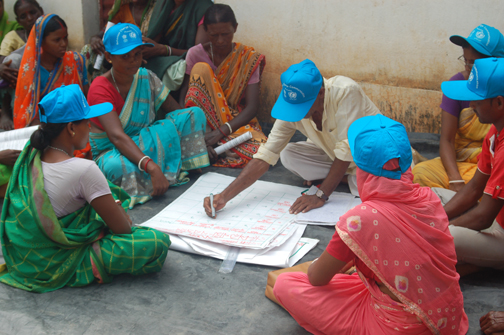
The MSC process involves the collection of significant change (SC) stories emanating from the field, and systematic collection by panels of designated stakeholders or staff at various levels. Once changes have been captured, various people sit down together, read the stories aloud, and have in-depth discussions about the value of these reported changes. MSC occurs throughout the programme cycle and provides information to monitor and manage a programme. According to UNICEF, MSC "can also help uncover important, valued outcomes not specified initially. It delivers these benefits by creating space for stakeholders to reflect, and by facilitating dynamic dialogue."
This initiative draws on the internet to share and disseminate information that has been generated by those practising MSC. Anyone can sign in and send relevant material to the interactive portal. Existing topic areas include: exclusive breast feeding, girls' education, hand washing with soap, HIV and AIDS, and "others". There is also a discussion forum where people are welcome to send in their views. A resources section features manuals/articles, reports/books, and links.
Children, Education, Health, HIV.
The MSC technique is being used by UNICEF, India, as a participatory qualitative method of monitoring and evaluating its social and behaviour change communication programme in 8 districts in 7 states. The programme has so far been focused on 4 key behavioural changes - exclusive breastfeeding for the first 6 months of a baby's life, hand washing after defaecation and before handling food, girls completing primary education, and HIV prevention among young people. Currently these are defined as the "domains" for the MSC technique, and the stories therefore relate to these areas. The domains will be expanded to include certain key other child survival and development practices which the Communication for Development programme is planning to work on. According to UNICEF, as the MSC process captures both intended and unintended outcomes, it has added to the understanding of community processes. "The process of collecting and selecting the stories has been extremely empowering for the community members, and has built the capacities of all those involved with the process..." This website has been set up to share these reflections and lessons.
This portal is supported by UNICEF, India, with content management by Sambodhi Research & Communications Pvt. Ltd.
Email from Supriya Mukherji to The Communication Initiative on April 28 2010; and UNICEF MSC website, May 3 2010. Image credit: UNICEF India
- Log in to post comments