










































Time to read
less than1 minute
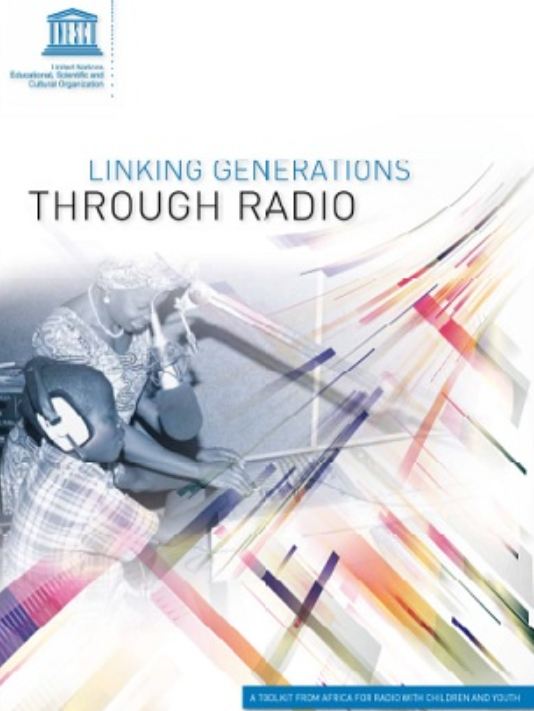
Linking Generations Through Radio: A Toolkit From Africa for Radio Producers Working with Children and Youth
Image
SummaryText
Published by the United Nations Educational, Scientific and Cultural Organization, this 62-page radio toolkit is designed to give community radio stations across Africa the knowledge, tools, and skills to get young people involved in producing radio at the local level. It provides inclusive examples to allow free exchange of ideas between girls and boys and increase awareness of radio producers and managers about ethical and legal requirements particularly when working with minors. It was designed to serve as a routine training or programming handbook in radio stations, a reference and resource for young people, and an advocacy tool to inform policy makers as well as the general public.
The main objective of the toolkit is to strengthen radio reporting and production skills with the active participation of young people and provide tips to facilitate creative spaces where they can work productively. According to UNESCO, the toolkit is an open access document, which is inspired by children and youth who make up one-third of the world’s population. The majority may listen to radio but the likelihood they are invited to regularly produce interviews and programmes, express their information needs or their opinions about productions made for them is very low.
The toolkit consist of the following section:
The main objective of the toolkit is to strengthen radio reporting and production skills with the active participation of young people and provide tips to facilitate creative spaces where they can work productively. According to UNESCO, the toolkit is an open access document, which is inspired by children and youth who make up one-third of the world’s population. The majority may listen to radio but the likelihood they are invited to regularly produce interviews and programmes, express their information needs or their opinions about productions made for them is very low.
The toolkit consist of the following section:
- Section one: Getting started
- Section two: Basic principles
- Section three: Capacity determination and planning
- Section four: Useful resources and appendices
Languages
English, French, Spanish, Swahili
Number of Pages
64
Source
UNESCO website on December 13 2013.
- Log in to post comments