











































Time to read
less than1 minute
How to Start a Youth Radio Project in Your Community: Facilitators' Handbook
Image
SummaryText
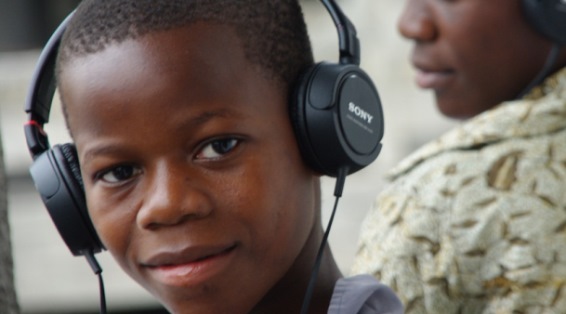
This Facilitators Handbook outlines a training curriculum and a series of workshops to help facilitators build a community-based youth radio project. Published by the United Nations International Children's Emergency Fund (UNICEF) and Children's Radio Foundation (CRF), the handbook was produced to help facilitators who are engaging with CRF to undertake youth radio projects in their own communities. These youth media projects are designed to allow "young people to participate, learn, share, and engage in dialogue with their peers" and seek to meet the needs of individual communities, taking into consideration infrastructural constraints, pertinent social issues, and cultural sensitivities.
The exercises contained in the handbook seek to train young people as radio reporters and citizen storytellers. The curriculum is also meant to build confidence, develop communication skills, and encourage critical thinking and global awareness among young people. It introduces facilitators to what it takes to get a youth-focused project up and running and includes practical information and suggestions.
The handbook consists of six chapters:
The exercises contained in the handbook seek to train young people as radio reporters and citizen storytellers. The curriculum is also meant to build confidence, develop communication skills, and encourage critical thinking and global awareness among young people. It introduces facilitators to what it takes to get a youth-focused project up and running and includes practical information and suggestions.
The handbook consists of six chapters:
- Chapter One: Before you start
- Chapter Two: The facilitator's role
- Chapter Three: Ethics and consent
- Chapter Four: Child participation
- Chapter Five: Organising a workshop that works
- Chapter Six: The workshop in 10 sessions
Publishers
Languages
English
Number of Pages
64
Source
Children's Radio Foundation website on December 12 2014.
- Log in to post comments