











































Nomadic Youth Reproductive Health Project
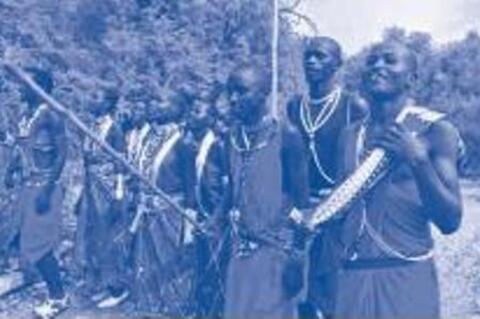
Designed to reach Maasai girls in Magadi and Loitokitok divisions of Kajiado County in Kenya with sexual and reproductive health (SRH) information and services, the Nomadic Youth Reproductive Health Project was implemented from 2007-2010 by African Medical Research Foundation-Kenya with funding from the Dutch government. The project aimed to reach in and-out-of school youth, ages 10 to 24, with reproductive health information on HIV, sexually transmitted infections (STIs), unwanted pregnancies, early marriage, and female genital cutting (FGC). It also sought to train Ministry of Health staff to provide youth-friendly services and to enable local communities to advocate for nomadic youths' reproductive health rights.
The project used the small-group approach to reach Maasai girls and their mothers with information and services. Components included:
- Girls' and mother-girl fora - Identified by girls, 46 safe spaces across the 2 project sites were created as meeting places and grounds for building social networks. There, the girls had an opportunity to meet on their own and also have fora for discussing reproductive health issues with their mothers under the guidance of a health worker or a trained peer educator. The fora consisted of some 10 mothers and their daughters who met once a month. The girls did beadwork - a Maasai woman's cultural speciality - as they discussed their issues.
- Creation of links to youth-friendly services - Through advocacy, the project convinced health workers at 18 health facilities in the project area to make service hours convenient for youth. Youth peer educators were linked to the fora to assist the girls to access these services and also provided them with SRH information.
- Mentorship in pursuing education and on the value of a girl who is uncircumcised or unmarried - Maasai female community role models provided this support to the girl groups. The project also trained youth peer educators to provide mentorship to the young girls in addition to reaching their peers with sexual and reproductive health information.
- Referring of reproductive health issues that need community support and intervention to cultural leaders - Leaders' fora were formed by elected age-set leaders for whom the project facilitated meetings and who were sensitised on sexual and gender-based violence, including FGC. Elders met on their own to discuss community issues before they took them to the larger community. They held dialogues with cultural leaders that involved negotiating for alternative rites of passage for the girls in place of FGC.
Girls, Reproductive and Sexual Health, Rights.
According to organisers, among the nomadic communities of Magadi and Loitokitok divisions in Kajiado County, male groups are socially organised along an age-set system ("olporor") and can be easily reached. Maasai women and girls, however, do not belong to an age-set system. They are often referred to as children (nkerai), and their status is based on the age-set of their husbands, which, however, does not entitle them to any special benefits from the age system. Similarly, the girl-child receives little or no attention regarding personal matters, especially sexual and reproductive health issues, including high levels of unprotected sex among and early marriages. "Generally, the community finds early marriage and gender-based violence (GBV) including female genital cutting (FGC) acceptable. And yet few programmes in the area address the sexual reproductive health (SRH) needs of nomadic girls."
"The safe spaces and social networks have led to transformational changes among nomadic girls. Girls' access to RH information through the safe spaces in the community has increased, their sources of support have grown and they have gained confidence and self-esteem after learning new skills."
"Using Safe Spaces and Social Networks to Convey Reproductive Health Information to Nomadic Girls" [PDF], by Anne Gitimu, David Kawai, Charles Leshore, and Peter Nguura. 2011. Exchange Insight.
- Log in to post comments