










































Early Childhood Care and Development in Emergency Situations
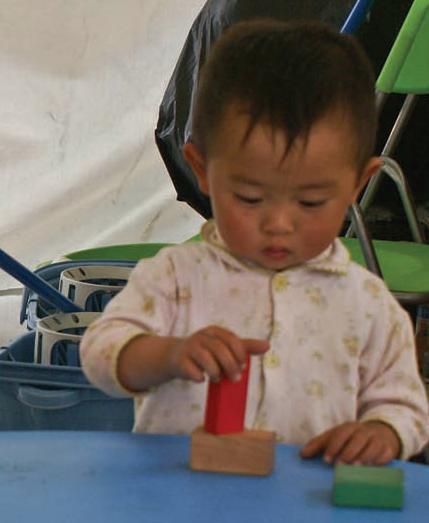
This annotated bibliography reflects the findings from a scoping exercise to identify the published research in English about children under 10 years of age in emergency and disaster situations. It includes a focus on Australia. It was prepared at the Children and Families Research Centre, Macquarie University, Australia, for the Inter-Agency Network for Education in Emergencies (INEE), the Early Childhood in Emergencies Working Group (EEWG), and the Consultative Group on Early Childhood Care and Development (CGECCD).
The research documents are listed thematically according to the following groupings:
- "Need: articles that identify the needs of children in emergency and disaster situations, including global statistics.
- Interventions: articles that describe interventions and outcomes:
- art therapy
- child friendly spaces
- classroom based interventions (CBI)/school based interventions
- community based interventions
- health
- play based/therapy interventions
- intervention policy
- post traumatic stress symptoms and interventions
- psychosocial symptoms and interventions
- Type: articles that report on issues and outcomes for young children according to type of emergency/disaster.
- Human Conflict
- armed conflict & social unrest
- terrorism
- Other Disasters
- earthquake
- fire
- flood
- industrial/man made
- nutrition
- storm events (hurricane, cyclone, tornado)
- tsunami
- Human Conflict
- Curricula, resources, training, and dissemination of information: articles that describe programs and issues relating to training of caregivers or others in emergency/disaster situations and to issues relating to the dissemination of information about the needs of young children.
- Research: articles that discuss research issues associated with young children and emergency/disaster situations.
- Review articles: articles that provide overviews of the current literature or state of knowledge about various topics.
- Special Groups: articles that address the needs of specific populations:
- Prenatal Exposure to Disasters
- Prenatal Needs
- 0-3 years age group
- 4-8 years age group
- Women
- Parents & Carers
- Older People
- Australian research: articles that emanate from Australian research projects and/or by Australian authors."
111
The Consultative Group on Early Childhood Care and Development (CGECCD) website, October 18 2012. Image credit: Save the Children, China
Comments

During emergencies or natural
During emergencies or natural disaster periods we have been witnessed a number of falls and changes taken place in the society, so to overcome from these changes and falls government authority and non profitable organizations are took beneficial steps which are able to help the victims during emergencies. Here in the above article we have been noticed that organizations like Early Childhood in Emergencies Working Group (EEWG) has support and offers reliable policies to develop the skills and situation of kids especially under these circumstances. I was really appreciating the whole effort of this organization which contributes valuable parts towards the society without any profits in return.
- Log in to post comments