










































Kivulini Women's Rights Organisation
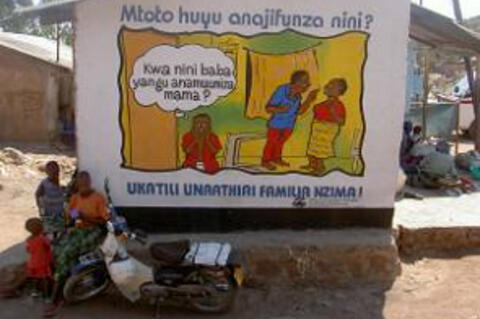
Kivulini seeks to focus on prevention rather than on service provision. This includes raising awareness both on the causes and consequences of domestic violence and working to address violence before it happens by changing the attitudes and behaviours that perpetuate violence against women. Kivulini does not highlight women for special attention; rather, they consider domestic violence to be a community problem. Thus, the approach is designed to bring communities together and emphasising the benefits of preventing domestic violence rather than focussing on blame.
Kivulini works to mobilise communities to prevent violence against women and girls and change social norms and behaviours that promote gender violence. The organisation has extensive roots within the community in Mwanza including a network of over 20 community-based groups and about 200 community volunteers who conduct community awareness and education sessions on domestic violence. Community volunteers engage their constituents to challenge traditional norms and customs that encourage gender-based violence. They also support and counsel victims of violence, referring them to human rights organisations, hospitals, courts, and ward tribunals.
A community assessment was done at the outset of Kivulini's work. The participatory action research involved over 400 community members and leaders of all ages to learn more about perceptions about domestic violence, its causes, consequences, and occurrences. The information and perspectives learned through the research informed the development and emphasis of all Kivulini programmes. The organisation has several key strategic programme areas:
- Advocacy - At the grassroots, advocacy is done within the existing community infrastructure to advocate for change on structures, protocols, and policies that are detrimental to women and impede their access to rights. This includes work with local government, street leaders, and Sungu Sungu (informal community policing), who are often the first level of response to women experiencing violence.
- Networking - Kivulini collaborates with other organisations to support national campaigns that lobby for positive change on issues related to women's rights and violence against women. Participating in local network meetings on gender, women, health, and children is a way to share information, build coalitions, and increase support on issues of interest.
- Community Awareness - Through community awareness activities Kivulini works to inspire and organise communities to take action to prevent violence against women. This programme is designed to change attitudes and behaviours in the community to create an environment that is supportive of women's rights, particularly women's right to live free of violence. Participatory activities in this programme include: two-hour educational sessions on women's rights, domestic violence, HIV/AIDS, reproductive health, environmental health, life skills, gender, human rights, etc.; educational video shows; community dialogues; theatre performances; songs and traditional Ngoma performances; and festivals.
- Capacity Building - This programme works to build capacity of community members, partners, and staff. It includes a series of training of trainers workshops, seminars, and on-site work visits with Ward Executive Officers, the Sungu Sungu, and religious leaders.
- Media/Learning Materials - through print and electronic media, the organisation works to promote discussion and public debate about domestic violence, human rights, health, HIV/AIDS, and other relevant issues. This department also engages journalists and the media in an analysis of how women are portrayed in the media. A media checklist has been developed for various journalists in the Mwanza region to help analyse stories they write about violence against women. In addition, large scale colourful murals depicting issues of family harmony are positioned in strategic areas around Mwanza city viewed by people on a daily basis to stimulate and engage community members in dialogue to help redefine cultural beliefs and accepted behaviours in the community.
- Legal Aid - Trained counsellors are available on a daily basis. They provide referrals to health care centres, the police, or social welfare if necessary and counsellors often accompany clients to provide support and help them negotiate often-unfriendly environments. Another component of this programme are legal literacy sessions conducted with institutions and community groups on human rights.
Gender-based violence, Rights
The McKnight Foundation; Canadian International Development Agency, Tanzania; Embassy of Finland, Tanzania; HIVOS; Youth Challenge International, USA & Canada; Interteam, Switzerland; and Rapid Funding Envelope for HIV/AIDS, Tanzania
Raising Voices website and Kivulini website on July 26 2010.
Comments

hi
I know this is not a comment bt is just a request, i would like to volunteer working with you.I lusekelo kyoso, i have just completed my first degree of Arts in Community Development at Tumaini University Iringa college in july 2010u.I would like to work with you so together we can help the community.I hope my request will be consired
Yours faithfully
Lusekelo Kyoso
- Log in to post comments