











































Enhancing Child Survival and Development in Lower- and Middle- Income Countries by Achieving Population-Level Behavior Change
Global Health Bureau, United States Agency for International Development - USAID (Pablos-Méndez), Office of Health, Infectious Diseases, and Nutrition, USAID (Fox)
This guest editorial from the Journal of Health Communication considers behaviours that can end preventable child deaths and ensure health child development. "These include healthy timing and spacing of pregnancies, giving quality antenatal care and nutrition, making sure newborns are sheltered, breastfed, kept warm, shielded from diseases like HIV, and given proper nourishment, and protecting children with vaccines, bed nets, and antibiotics, as well as supportive caregiving and healthy attachment."
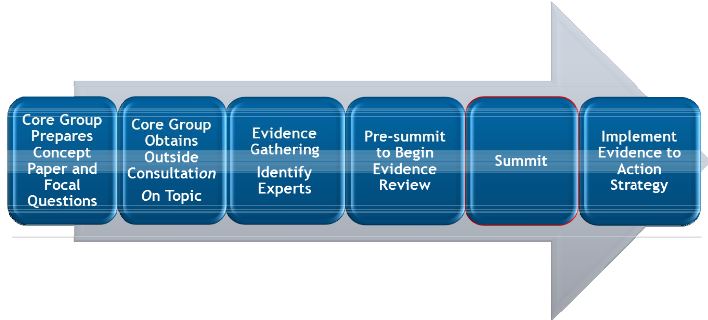
The article was written in the months preceding the 2013 Evidence Summit on Enhancing Child Survival and Development in Lower- and Middle-Income Countries by Achieving Population-Level Behavior Change, which sought to create a roadmap of required population-level behaviour changes that impact maternal and child health. "The overarching goal is to determine which evidence-based interventions and strategies are required to support a sustainable shift in health-related behaviors in populations in lower- and middle-income countries to reduce morbidity and mortality in children younger than 5 years old."
"Health communication is a key ingredient of the summit, which will address the following six focal questions:
1. What are the effective and sustainable interventions to promote and support behavior changes required for and by families, mothers, and other caregivers to accelerate reductions in under-five mortality and optimize healthy and protective child development to age 5?
2. What are the effective means to facilitate and empower communities to organize and advocate for interventions to achieve behavior and social changes that are needed to accelerate reductions in under-five mortality and optimize healthy and protective child development to age 5?
3. What types of sustainable health systems and policy supports are effective in producing behavior and social changes for and by primary caregivers, families, and communities that are needed to accelerate reductions in under-five mortality and optimize healthy child development to age 5?
4. What are the effective and sustainable interventions that focus on gender dynamics as a means to promote and support behavior and social change that is needed to accelerate reductions in under-five mortality and optimize healthy and protective child development to age 5?
5. What are the effective and sustainable interventions that address stigma and discrimination as a means to promote and support behavior and social change that is needed to accelerate reductions in under-five mortality and optimize healthy and protective child development to age 5?
6. What are the effective and sustainable interventions that utilize advances in science and technology to promote and support behavior and social changes that are needed to accelerate reductions in under-five mortality and optimize healthy child development to age 5?"
The summit was sponsored by USAID and organised by the United Nations Children's Fund (UNICEF) and the governments of Ethiopia, India, and the United States.
Journal of Health Communication, 17:1117-1118, 2012, accessed June 3 2014.
- Log in to post comments