










































Experiences from the Field: HIV Prevention among Most at Risk Adolescents in Central and Eastern Europe and the Commonwealth of Independent States
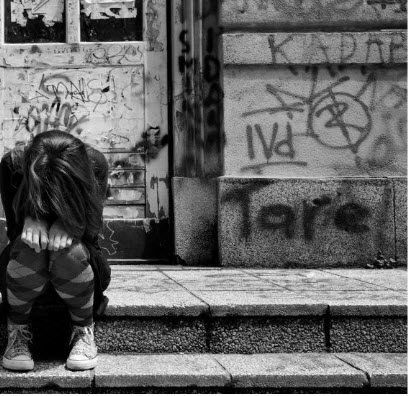
"Concerted advocacy and action is needed from all partners to ensure that quality services are available to vulnerable and at-risk adolescents at national scale....Reforms must aim to expand and grant equitable access to services for all, including adolescents engaging in risk behaviours who are currently excluded."
This United Nations Children's Fund (UNICEF) document shares experiences (including the results of research, advocacy, and interventions) in an effort to support programmers, policymakers, and donors to carry out and strengthen further programming among most-at-risk-adolescents (MARA) and other vulnerable adolescents in the Central and Eastern Europe (CEE) and the Commonwealth of Independent States (CIS) Region and beyond. It presents programming experiences from 7 countries: Albania, Bosnia and Herzegovina (BiH), Moldova, Montenegro, Romania, Serbia, and Ukraine. The overarching goal of these programmes has been to promote HIV prevention among MARA and to ensure their integration into national HIV/AIDS programme strategies and monitoring and evaluation frameworks.
As described in this report, the experiences of UNICEF, working together with government and civil society partners, have increased understanding of the needs and vulnerabilities of MARA in the CEE/CIS region. These experiences include working with adolescent boys and girls who inject drugs or engage in transactional sex, young males who have sex with males, street-connected adolescents, and those coming from disadvantaged socio-economic or ethnic backgrounds. Each Country Experience includes:
- Personal stories and photographs of MARA/young people;
- Summaries of data, HIV prevention programming processes, and results; and
- Hyperlinks to research reports, guidelines, case studies, and tools for programmes.
For example, within one of the countries profiled - Albania:
- We read about 24-year-old Armand in Albania, who has been injecting drugs for 10 years. He shared his story with a counsellor at STOP AIDS, a non-governmental organisation (NGO) supported by UNICEF. Armand now works with STOP AIDS, promoting Break the Cycle, an intervention designed to prevent adolescents from using drugs. "'I feel really committed to engaging with other drug users,' Armand says. Most days he goes to 'hot spots' - common meeting points for drug users - to explain the risks of HIV and the services available at STOP AIDS, and to distribute clean needles....Advocating for HIV prevention and behaviour change among fellow drug users has helped Armand realize a new sense of self-worth."
- Having prioritised injecting drug users (IDUs) like Armand, UNICEF supported the Institute of Public Health in collecting data on 121 male IDUs aged 15-24 in Tirana. Qualitative research was also carried out to clarify the social dynamics and networks among adolescents and young IDUs. After reviewing the research findings, UNICEF, government partners, and other stakeholders developed a programme that involves: advocating for MARA to be placed on the national agenda and strengthening capacity of policymakers to address them; strengthening capacity and adapt existing HIV prevention and harm reduction services to better respond to the needs of adolescents; and preventing the transition to injecting among adolescent "pre-injectors". (As an example of the latter, from April to September 2010, participants in Break the Cycle achieved 111 "interventions", which are peer-to-peer discussions following guidelines designed to prevent initiation of drug injection.)
The Regional Perspective section provides a broad look at the MARA programme development process, comparing country findings and experiences, and includes hyperlinks to universally applicable tools, guidelines, and advocacy documents developed by the UNICEF Regional Office for CEE/CIS. Results are also shared; for example: "Ongoing advocacy resulted in intensified dialogue around MARA issues among all partners; increased media attention to MARA; and a shift within some services originally designed for adult most-at-risk populations, toward greater attention to the needs of the younger cohorts of their beneficiaries. In seven countries MARA were included in national AIDS strategies....Advocacy also generated discussions on laws and policies affecting access to services and support for MARA. Laws were revised, lowering the age at which parental consent is required for HIV testing in BiH and Ukraine, and addressing drug-related issues in Albania, Moldova and Serbia. Advocacy around HIV issues also led to an increasing recognition of the needs of vulnerable adolescents by programmes dealing with child protection and juvenile justice."
Looking forward, in addition to continued concerted advocacy and action by all partners, it is noted that "[r]eforms must aim to expand and grant equitable access to services for all, including adolescents engaging in risk behaviours who are currently excluded. And progress on HIV can only be increased and sustained if underpinned by social environments that advance equity, human and child rights, gender equality, and social justice.
Click here to see the publication online.
Click here for the 122-page report in PDF format.
Click here to access the UNICEF Regional Office for CEE/CIS on Facebook.
UNICEF website, March 13 2013; and email from Lely Djuhari to The Communication Initiative on March 13 2013.