










































Communication, Culture and Society in Papua New Guinea: Yu Tok Wanem?
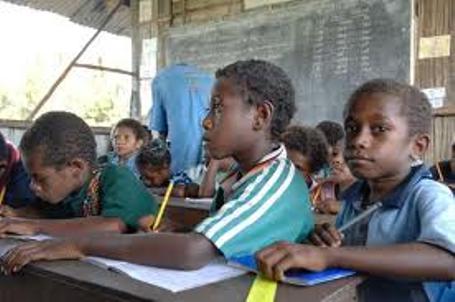
This book contains essays on issues involving mainstream media, social concerns, development, and the information gap and teaching communication professionals in Papua New Guinea (PNG). In it, young, emerging, and established researchers associated with Divine Word University, PNG, write about original research aiming to capture the PNG culture and society from a communication perspective. It is intended to provide a space for critical reflection on media and communication practices and the pace of development. The researchers respond to an earlier volume aimed at addressing the lack of up-to-date information available on the PNG media and the lack of research into the media’s role in development.
Contents include the following:
Preface - David Robie
Introduction: Supporting Communication Research in Papua New Guinea - Michael McManus, Evangelia Papoutsaki, Patrick Matbob
Mainstream Media Issues
1. The State of Investigative Journalism and the Growing Impact of New Media - Patrick Matbob
2. Finding the Balance: Good News Versus Bad News - Celestine Ove
Special Insert - Print Media’s Relationship With Urban Elite Groups - Ruth Moiam
3. Media Advocating for Democracy - Patrick Matbob
4. Tok bilong ol grassruts: Tok Pisin and Wantok - Alphonse Aime, Geraldine Vilakiva,Philip Cass, Evangelia Papoutsaki
5. Our Neighbour’s View: Australian media cover of PNG - Martha Ginau, Evangelia Papoutsaki, Lee Duffield, Amanda Watson
Social Issues
6. Reporting Family Violence: ‘Just Another Incident...’ - Glenda Popot
7. Women’s Issues in the Media: Do the Men Take Any Notice? - Janet Rowaro
8. Factors Influencing HIV/AIDS Awareness Campaigns Through the Media: Case Study of Western Highlands Province - Brenda Peter Cangah
9. HIV/AIDS Awareness Message in Tok Pisin: Benefit or Barrier? - Henry Yamo
10. Pasim Tok: Dialogue and Conflict Resolution in the Southern Highlands - Jeffrey Elapa
Information Gap & Development Issues
11. Facing the Dragon: The case of Basamuk & Kurumbakare People in the Ramu Nickel Project - Joel Hamago
12. Mining for Information in OK Tedi: Communication for Sustainable Development - Barbara Kepa
Special Insert - The Impact of Ok Tedi Mine’s closure on the mine-affected communities: how effective are the OTML’s awareness programmes? A case study of the Kukuzaba and Membok villages - Getrude Kondek
13. Radio Madang: Tuned in For Development? - Anisah Issimel
14. Early Experience of Mobile Telephony: A Comparison of Two Villages in Papua New Guinea - Amanda H A Watson
Searching for Solutions
15. Putting Development Into Communication: A Curriculum Approach - Amanda H A Watson
Special Insert - Reflections on Teaching Communication & Development: Introducing Critical Thinking & Self Learning as Important Components in Successfully Engaging Students - Joys Eggins
16. Visual Arts: A Tool to Enhance Research Capacity in PNG - Verena Thomas
Special Insert - Reflections on Teaching Radio Journalism in Papua New Guinea - Kewana L. Wickham
17. Reflecting on Media Research and the Experience of Teaching Communication Research in PNG - Patrick Matbob
18. The Campus and the Newsroom: Papua New Guinean Media in Education Profile - David Robie
19. In Lieu of an Epilogue Encouraging Local Curricula & Research Practices: Seeking Alternative Journalism & Communication Perspectives - Evangelia Papoutsaki
Email from Michael McManus and David Robie to The Communication Initiative on March 16 and June 22 2012, respectively. Image credit: UNESCO