










































Together We Can End Human Trafficking Radio Spots

The Together We Can End Human Trafficking radio spots and presenter's guide were designed to help radio stations join in the fight against human trafficking leading up to, during, and after the 2010 Fédération Internationale de Football Association (FIFA) World Cup in South Africa. According to the organisers, by raising awareness about how human trafficking can be prevented, recognised, and reported, media can help save lives and provide information needed for vulnerable people to stay safe.
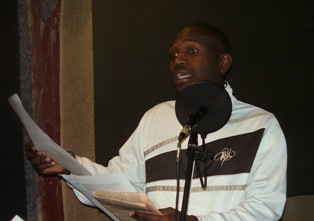
Based on the key messages of the Red Light Campaign, 3 spots comprising short dramatic scenes were produced that address various aspects of human trafficking:
- False Promises - Her dream job in the big city becomes a nightmare when a young woman is forced into sex work.
- Taxi Driver - A taxi driver realises he did nothing to prevent a young woman from being trafficked and vows to never let it happen again.
- Not for Sale! - Two young women recognise a human trafficker in their midst, thanks to information provided to them through community outreach.
Click here to listen to the spots online.
The spots were produced in English, Zulu, SeSotho, Afrikaans, and Siswati, and distributed to 120 community radio stations in the 9 provinces of South Africa. Supported by Oxfam GB, the spots were also translated into: Portuguese, French, Changaan, Nyanja, Chichewa, Setswana, and Shona, and distributed to stations across Southern Africa. The spots were launched at an event held on June 22 2010, which included a seminar with young people on their views on the 2010 World Cup and a youth soccer game.
An accompanying presenter's guide is designed to encourage discussion with local experts and phone calls from community members. The presenters guide includes questions for discussion, ideas for shows, guidelines for talking about human trafficking, and additional resources for information.
To complement the radio spots, Gender Links commissioned 10 commentary articles from writers across Southern Africa on the theme of human trafficking. These are being distributed through the Gender Links Opinion and Commentary Service as part of their Soccer 2010 News Service.
Human Rights, Children, Women.
The Red Light 2010 Campaign was initiated to respond to the potential impact of the FIFA 2010 World Cup on vulnerable women and children in Southern Africa. While initially focusing on the World Cup as an opportunity to highlight issues relating to trafficking and sexual exploitation of women and children, the campaign will continue past the event to keep this important issue on the regional agenda. The Campaign works to connect organisations already working on human, women, and children's rights, human trafficking, gender-based violence, and HIV and AIDS to realise a common purpose.
Gender Links, the Red Light Campaign (a coalition of organisations including the Southern African Network Against Trafficking in Children and Women in Law Southern Africa), CMFD (Community Media For Development) Productions, and Oxfam GB.
Gender Links website on June 30 2010.
- Log in to post comments