










































togetherTV

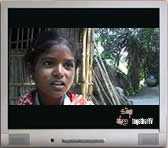
togetherTV films are an example of how information and communication technologies (ICTs) can be used to provide a very personal lens on issues such as HIV/AIDS, poverty, trade justice, conflict, and so on. In this case, the films allow one person to describe, in his or her own voice and words, how he or she is getting on with life in often adverse circumstances. The tone is meant to be positive and inspiring, not discouraging, intimidating, or depressing. The strategy involves challenging viewers' pre-conceived notions about people living in developing countries through first-hand video story telling.
For instance, in one film, AIDS orphan Emmanuel Kalunga of Zambia dreams his way out of extreme poverty by flying a kite he's made from a plastic bag. "When my kite flies really high, I feel happy. I forget about everything..." In another, Israeli peace activist Robi Damelin has her beliefs severely challenged when her 22-year-old son is killed by a Palestinian sniper. Robi says: "The question is: what do you do with all this? Do you go out on a path of revenge? Or do you behave in the way that you always have behaved and do the things that you believe in?"
More than 50 films have been produced as of this writing; to encourage broad access, they are offered free of charge (if broadcast with the togetherTV branding/sponsors' logos) to use as fillers for broadcasters. togetherTV's films are currently on-air on Discovery Networks Europe, the Community Channel, and Channel 9 in Northern Ireland.
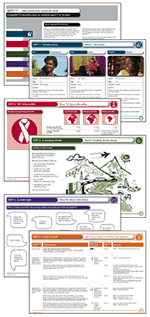
The videos may also be viewed on the together TV website; this is designed to allow people to access stories directly, by-passing broadcasters altogether. This website also includes various teaching materials, such as Get Real, a global citizenship resource pack for 11-14 year olds. The DVD contains togetherTV's films, video stories, and downloadable teaching activities exploring climate change, HIV, peace and conflict, children's rights, and women's rights. For each topic, personal experiences are shared through video stories offering students first-hand accounts of people's lives in other parts of the world. Available in English, Welsh, and Gaelic, the video stories and teaching materials are designed to help students to increase their understanding of how the world works and develop knowledge, skills, values, and attitudes that contribute to the qualities of global citizenship.
Trade, Peace and Conflict, Climate Change, HIV/AIDS, Education, Women's Rights.
Through sharing of these films, organisers hope to defy the negative labels which they say are too often attached by the western media to people living in developing countries.
Christian Aid and Trocaire, with European Union funding.
Emails from Florence Curtis to The Communication Initiative on August 14 2006 and October 5 2006; and the together TV website.
- Log in to post comments