










































THINK WISE: The Global Cricket AIDS Partnership
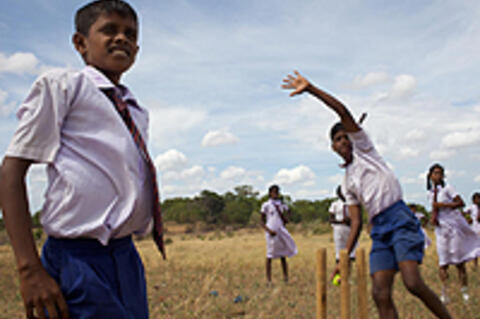
In advance of the February 2011 International Cricket Council (ICC) World Cup, players and squads from the 14 competing countries teamed up to help combat the AIDS epidemic. Under the banner, "Think Wise: The Global Cricket AIDS Partnership," the ICC, the United Nations Children's Fund (UNICEF), Joint UN Programme on HIV/AIDS (UNAIDS), and the Global Media AIDS Initiative (GMAI) - along with numerous local partners - launched a campaign asking fans around the world to get the facts, protect themselves, and avoid stigmatising those in their communities who are living with HIV and AIDS.
Communication Strategies
The campaign, running throughout the ICC Cricket World Cup, is using television, online media, and in-stadium messaging in the 3 countries hosting the tournament (Bangladesh, India, and Sri Lanka). The concept is that sport can help bring people together to address key issues and encourage social change. The partnership has 2 major components:
- THINK WISE awareness: The advocacy work carried out by the partnership and leading international cricketers is designed to deliver key information about HIV at the international, regional, and national levels through public service announcements (PSAs) - such as the one visible below - event publications, and the THINK WISE website. This information focuses on awareness, inclusion, and informed decision-making for young people and volunteers, coaches, and commentators and broadcasters about the AIDS epidemic.
- THINK WISE projects: The partnership is piloting community-based cricket for development projects, aimed at using the power and popularity of cricket to help young people develop the appropriate knowledge, attitudes, and skills to reduce their risk and vulnerability to HIV. For example, the campaign is being rolled out in schools and communities in match-playing cities to engage young people in HIV/AIDS education. The participating schools are building on the popularity of cricket, and excitement about the ICC Cricket World Cup, to engage young people in interactive HIV-prevention learning opportunities. Even the session on stigma and discrimination is delivered in a participatory style - e.g., games and group activities - designed to engage students in games and lively conversations.
Development Issues
HIV/AIDS, Children.
Sources
"UNICEF and World-class Cricketers Team up to Battle HIV and AIDS: ICC Cricket World Cup 2011", by Amy Farkas, UNICEF website, January 25 2011; and THINK WISE website, February 10 2011. Image credit: International Cricket Council/2010.
- Log in to post comments