










































A Systematic Review and Meta-Analysis of the Effects of Educating Parents on the Benefits and Schedules of Childhood Vaccinations in Low and Middle-Income Countries
Stellenbosch University (Lukusa, Wiysonge); University of Yaoundé (Ndze); Cochrane South Africa, South African Medical Research Council (Mbeye; Wiysonge); University of Malawi (Mbeye); University of Cape Town (Wiysonge)
"Overall, the combined data show that education of parents improves vaccination coverage in low and middle-income countries..."
One reason for low vaccination coverage in many low- and middle-income countries is poor parental knowledge of the importance of completing vaccination schedules. In light of evidence that active engagement and effective communication between the providers and recipients of vaccination services may be effective in improving vaccination coverage, these researchers conducted a systematic review to assess the effects of interventions for educating parents, compared to standard vaccination practices, on vaccination coverage in low and middle-income countries.
A comprehensive search of peer-reviewed literature in multiple electronic databases conducted in May 2015, with an update in June 2016, led to the selection of 6 eligible randomised trials with 4,248 participants. The outcome of interest was coverage with 3 doses of diphtheria-tetanus-pertussis containing vaccines (DTP3) or other vaccination status as reported by the trial authors. The studies, which assessed vaccination coverage through self-reports by parents, or vaccination cards, included:
- 3 studies that assessed community-based education, including information campaigns on the importance of vaccines using audiotaped presentations and leaflet distributions (1 study); structured group discussions on benefits and costs of childhood vaccination and local action plans for improving vaccine uptake (1 study); and home-based information sessions using graphic cards showing benefits and costs of childhood vaccinations and location of vaccination centres (1 study). One study was conducted in Karachi, Pakistan, with 179 mothers in the education group and 178 in the "no-education" control group. The second study was conducted among 18 education and 14 control clusters in Lasbela district in Pakistan. The third study was undertaken in Uttar Pradesh, India, among 11 education and 10 control clusters.
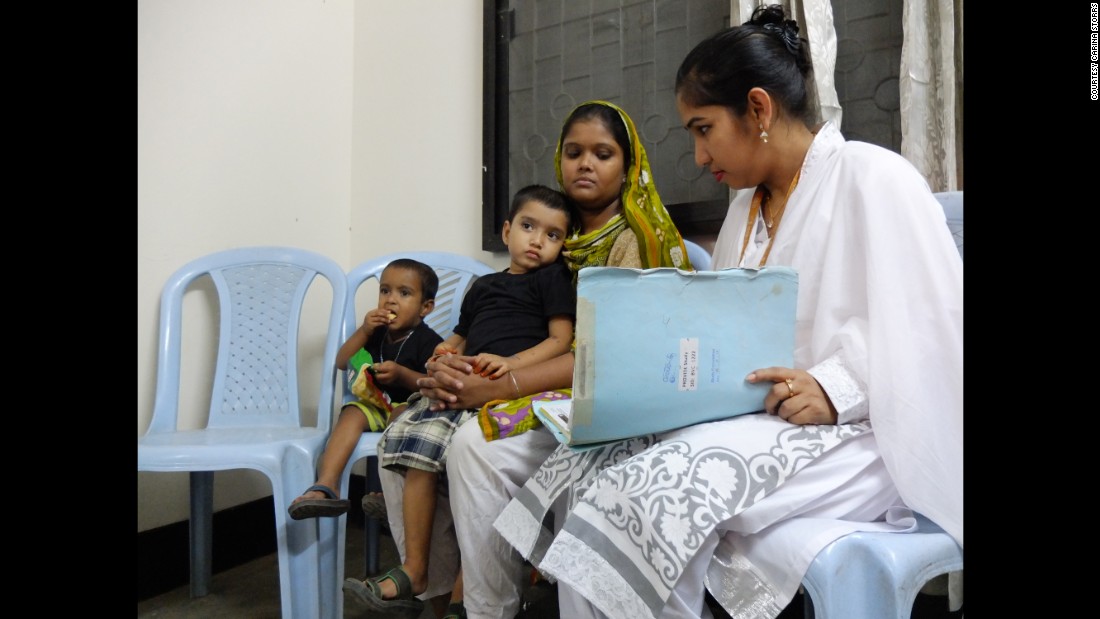
- 3 studies that assessed health-facility based education of mothers on the importance of completing vaccination schedules: immediately after birth and 3 months later (1 study) or during the first vaccination visit (2 studies). The first study was conducted in Kathmandu, Nepal, with 205 mothers in the education group and 198 mothers in the control group. The second study, undertaken in Karachi, Pakistan, had 375 mothers each in the education and control arms. The last study, also conducted in Karachi, Pakistan, randomised 376 mothers to receive education and 378 in the control "no education" arm.
Combining the data shows that these interventions led to substantial improvements in childhood vaccination coverage (relative increase 36%, 95% confidence interval (CI) 14% to 62%). All 6 included trials were conducted in only 3 Asian countries (India, Nepal, and Pakistan), but the researchers indicate they have no reason to doubt the applicability of the evidence to other low- and middle-income countries.
Although the studies found no difference between the effects of community-based and facility-based education, "Community-based evidence based discussions aimed at knowledge translation to community members may prove to be more effective than conventional health education strategies. However, the setting and scale of the targeted population may influence these findings."
In conclusion: "provision of accurate vaccine information in communities and health facilities should be integrated into all childhood vaccination programmes in low and middle-income countries; accompanied by robust monitoring of the impact and use of data for action."
Human Vaccines & Immunotherapeutics, DOI: 10.1080/21645515.2018.1457931. Image credit: CNN.com