











































Psychosocial Support for Older Carers: A Summary
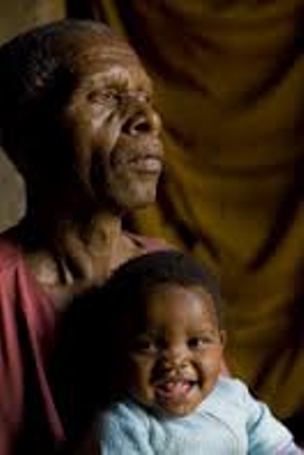
"Millions of older people are caring for orphaned children and for family members living with AIDS-related illnesses, but they are often overlooked by development programmes."
These guidelines explain the issues facing older carers and set out ways to give them the emotional and social support they need to carry out their role in the lives of people living with HIV (PLHIV). It is written primarily for programme managers.
The challenges of caregivers include: the caregiver role and its demands; material needs for themselves and adults and children in their care in light of loss of income; access to entitlements (some, for example, are limited to parents but not grandparents); access to health services for themselves; emotional needs and family relationships; discrimination and abuse; and community relationships. Psychosocial support can involve connecting caregivers to social support systems, so that they regularly receive care and appreciation from their families and communities.
Support can encompass boosting social networks, such as linking to older carers’ groups or linking older carers to women’s groups. It can include connections with services and with neighbours and community. For grandparents taking care of grandchildren, support may be needed to overcome the age gap: "help with issues such as discipline, communication, and drug or alcohol use. Programmes can provide information, advice or counselling and help families to work through disagreements. It is important always to promote mutual respect and to emphasise that children need love as well as boundaries."
Bereavement support may be needed. "If the person shows signs of 'complicated grief', where they are unable to cope for extended periods or are neglecting themselves or the children, they should be referred to specialist psychological or counselling services." Older men need to be included and programmes tailored to them, including parenting support for young children. Managers need to be alert to signs that caregivers are being abused or neglected. Self-care support may be needed to prevent "burn-out" and can include connection to both one-to-one and group support, clubs and social activities, and training. Advocacy on a policy level for inclusion of elder carers in national home-based care policies and guidelines may be needed.
REPPSSI Resource Page online and HelpAge International website, November 15 2012. Image credit: RIATT Eastern and Southern Africa Regional Inter Agency Task Team on Children and AIDS
- Log in to post comments