










































Pakistan children's problems and implementation solutions
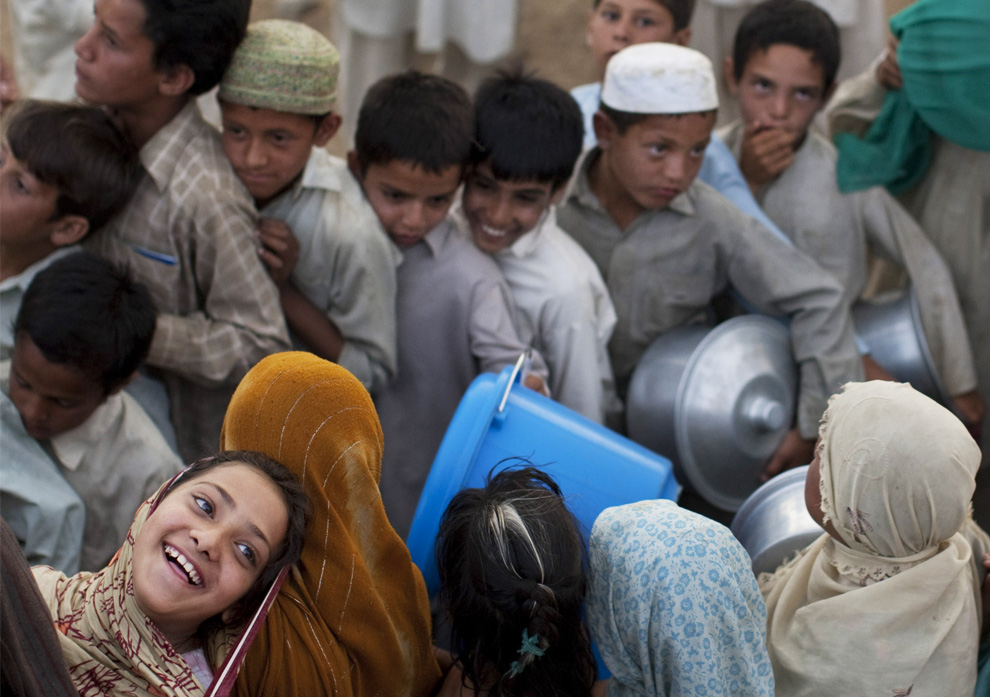
Author: Rana Tassawar Ali, November 29 2013 Pakistan Children’s Problems
We are living in a country where 352,000 people are dying every year due to malnutrition; we are living in country where 20 million children out of schools. We are living in a country with more than 70,000 thousand children living in the streets [Statistic from World Street Children News 2008]. We live in a country where more than 3,000 children every year are sexually abused. We are living in a country where children do not get birth registration certificates. We live in a country where our government declares 2013 as the children’s rights year and forgets what children’s rights are. In our beloved country children have no rights to register for any children’s forum or organization. We live in a country where children are facing multiple problems, reflecting that we are breaking international commitments made by Pakistan through signing the UNCRC [United Nations Convention on the Rights of Children]. We are living where the child rights legislation process is very poor; and the state still does not prioritize child rights and protection. We live in a country with corporal punishment, internal trafficking, and child criminal acts. Overall, we are irresponsible as a state, nation, community, family, and as individuals in giving children rights and protection. We feel guilty that there is no provision of child survival, development, protection, and participation rights services in Pakistan.
Our Pakistan is a resource rich country, we are 6th largest in the world in population, and we have more than 16 hundred thousand government teachers. In Pakistan, we have... [thousands of] religious school teachers (Madrasas), but we have poor resource mobilization capacity. We are living in a state where expenditures on security are more than 50 percent and development expenditures are less than 20 percent of the government annual budget. The government of Pakistan has more than 250 different departments, but their services are very cheap. In Pakistan, we have a feudal democracy, and we have 1,000 parliamentarians. Why our children are suffering and facing problems is due to a negligent attitude of service providers. Our institutions are corrupt, our leader don’t have priorities. The civil society of Pakistan is not vibrant; our media is crisis-driven media. We did not see our existing resources, we are only crying for resources.
Alternative and Implementation Solutions
In Pakistan, so many fruitful laws exist, but budgetary allocations and rules of notification are problems. In the Pakistani constitution, article 25-A explains the free right to education for 6-16-year-old children. The government must utilize its resources, as Sri Lanka does, and use a shift system in government schools to enable education for all children. Government can invest in children through providing children a monthly stipend, and children will enjoy a sufficient standard of living. If the government gives access to healthcare for all children, we will get a productive generation, and the Pakistani economy will be boosted. Effective uses of resources and budgetary allocations for existing laws will be good implementation solutions. I believe that “problems are only opportunities in work clothes.”