











































Kwanele
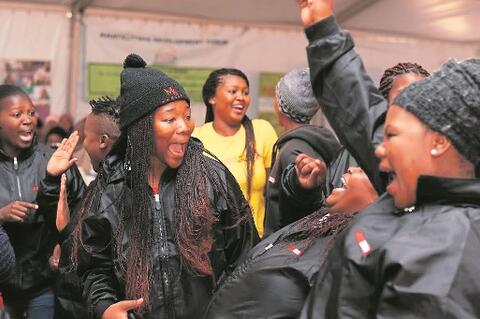
This project in the Western Cape project forms part of a larger, national intervention in South Africa. In 2014, the Centre for Justice and Crime Prevention (CJCP), in partnership with the Gender, Health and Justice Unit at the University of Cape Town, was one of five consortia awarded a five year grant from Comic Relief UK, to undertake both research and intervention work in sexual violence in South African schools. The project included schools in the Western Cape, Gauteng, Eastern Cape, and Limpopo. The research component of the project allows for longitudinal data to be collected on violence related to schools, and on the impact of this violence on educational outcomes, as well as other key psycho-social and wellbeing outcomes. The study includes data collection at both the school and household level. Ten schools in each of the four provinces are included in the project and Kwanele focuses on those in the Western Cape.
Specifically, the overall project has four outcomes: (1) all intervention schools are able to effectively formulate, implement and monitor school safety plans to ensure safer schools for girls; (2) 50% of girl learners are actively engaged in the formulation of school safety strategies within 2 years of the start of the project; (3) local good and best practices are documented and showcased across schools, districts and provinces facilitating the exchange of knowledge; and (4) new qualitative and quantitative data is collected that facilitates a better understanding of both the causes of, and successful violence prevention practice, in South African schools.
The Kwanele programme is being implemented in 10 primary schools and 10 high schools in Khayelitsha, through Soul City's Soul Buddies and Rise Young Women's Clubs. Kwanele is designed to empower girls and strengthen the capacity of schools and communities to identify and deal with gender-based violence. The programme is based on a theory of change that highlights the importance of implementing a comprehensive whole school/community approach to bring about change at multiple levels.
Kwanele comprises the following approaches:
- Schools Clubs: Soul Buddyz Clubs (SBC) and Young Women's Clubs (YWC) are being established in each of the programme schools. These clubs will use an interactive and participatory life skills curriculum combining Soul City's existing Soul Buddyz and Girls clubs methodologies with Grassroot Soccer's Skillz youth intervention strategies, which include girls soccer leagues, life skills lessons by female role models, split sex group discussions complementing Life Orientation Classes, and holiday programmes and community events.
- School Safety Plans: The clubs will catalyse schools to develop safety plans and policies and coordinate the SCI's Alcohol Free Schools campaign with stakeholders. This will include training school governing bodies (SGB) and principals in developing and implementing school policies and practices to prevent sexual violence, identify vulnerable children, and link them to appropriate services.
- Training parents and caregivers: To train parents and caregivers on identifying sexual violence and accessing appropriate services, Soul City will deliver its "Hands on Parenting" course and recruit parents of club members to champion community activities.
- Community dialogues: To address social and cultural norms that perpetuate violence against girls, community dialogues will be held to facilitate dialogue and ongoing engagement with stakeholders to promote a multi-sectoral approach to addressing sexual violence.
Education, Girls, Gender-based Violence
According to project information, "women and girls are disproportionately affected by gender-based violence and sexual violence in South Africa, with statistics reaching alarming proportions. Through SeVissa, Soul City and Grass Roots Soccer and relevant stakeholders are working to prevent gender-based violence and sexual violence in schools through appropriate and innovative channels, including edutainment and sport."
The Soul City Institute for Health and Development Communication uses a combination of mass media, social mobilisation, and advocacy to improve the quality of life and health of people in Southern Africa. The organisation uses communication for social change activities to strengthen individuals, communities, and society based on active citizenship and principles of social justice.
Grassroot Soccer (GRS) is an adolescent health organisation that "educates, inspires and mobilises young people to overcome their greatest health challenges and live healthier, more productive lives. Through youth friendly sport-based activities, innovative programming based on sound research, and inspiring role models, GRS provides young people with health information and access to services, so they can make educated choices about HIV and AIDS, sexual health and gender-based violence."
Soul City Institute for Health and Development Communication (SCI), Grassroot Soccer South Africa (GRS), Comic Relief
Email from Phinah Kodisang on October 25 2015, News24 website, Shift website, and Soul City website on January 15 2015, and email from Phinah Kodisang on April 7, 2016.
- Log in to post comments