











































Infant Feeding in the Context of HIV in South Africa: Questions and Answers
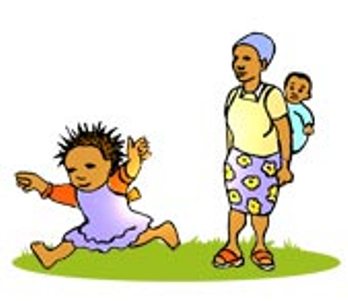
This handbook, produced by the Yezingane Network and the United Nations Children's Fund, UNICEF, is designed to answer frequently asked questions (FAQs) about infant feeding in the context of HIV. Beginning with the World Health Organization (WHO) definition of exclusive breastfeeding (giving the baby no food or drink - not even water - other than breastmilk), the FAQs section provides basic information about breastfeeding and breastfeeding with HIV through answers to the following questions:
- "What is the best way to feed a baby?
- If the mother is HIV-positive, should she exclusively breastfeed?
- How can HIV transmission through breast milk be avoided?
- Should a breastfeeding mother who is HIV-positive or her baby be on anti-retroviral treatment?
- What is the South African Government's guidelines on HIV and breastfeeding?
- What are the benefits of exclusive breastfeeding for the BABY?
- (What are the benefits of exclusive breastfeeding) ...and for the MOTHER?
- Not Exclusively Breastfeeding - what are the risks?
- What are the missed benefits?
- If a mother does not wish to breastfeed, what options are there for feeding the baby?
- Does a baby whose mother is HIV-positive need additional care and treatment?
- How are other mothers around the world feeding their babies?
- How should newborn babies be fed if they are admitted to an intensive care unit or high care unit?
- What can you do? and finally, a list of clinics and hospitals that offer antenatal, labour, and prenatal care:
- Where in South Africa can mothers get help with exclusive breastfeeding?"
This booklet was produced after the November 2009 meeting in Durban, South Africa, called "Breastfeeding in the Context of HIV: What Do We Know? What Should We Do?" and follow-up meetings in October 2010 between Yezingane Network and key HIV/AIDS and infant feeding civil society organisations to present then-new evidence on the importance of breastfeeding in the context of HIV in an easy-to-understand way.
11
Journaids website, October 20 2011.
- Log in to post comments