











































Hidden Violence: Preventing and Responding to Sexual Exploitation and Sexual Abuse of Adolescent Boys
Promundo
"...[W]e seek to apply a gender lens to boys’ experiences of sexual violence and exploitation and to both raise awareness of particular challenges boys face, and in the case of sexual violence against girls, improve prevention and protection efforts."
This document summarises results from the report Hidden Violence: Preventing and responding to sexual exploitation and sexual abuse of adolescent boys, Case Studies and Directions for Action, which discusses the particular ways in which boys in South Africa, Nepal, Brazil, Cambodia, Costa Rica, Guatemala, India, and Jamaica experience and respond to sexual violence. This project from Promundo and MenCare is funded by the Oak Foundation.
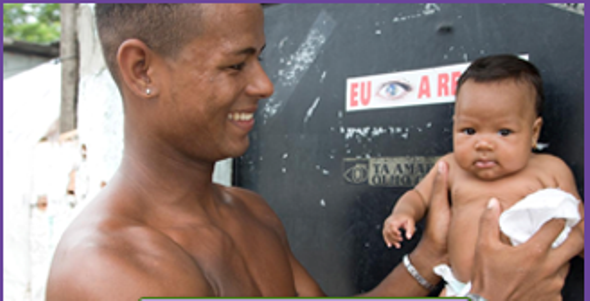
Promundo led a two-year effort to further knowledge, research and programming in addressing sexual exploitation and sexual violence of adolescent boys. The groups they addressed included: at-risk adolescents; young men who have experienced sexual exploitation or perpetuated sexual violence against others; stakeholders and service providers; fathers, brothers, and male family members; journalists; judges, and police. Formative research, consultation with adolescents, and evaluation of direct beneficiaries of activities were carried out. Additional activities included group education exercises, workshops and trainings, community outreach, and social media campaigns. This document describes, by way of example, the "Life Stories of Young Men in Managua" project, focused on participatory action research using life histories, led by the Nicaraguan non-governmental organisation (NGO) Puntos de Encuentro. "The objectives were to raise public awareness around sexual abuse and to empower young men, survivors and men at risk of engaging in commercial sexual exploitation. One of the young men’s stories was turned into a video clip [see below] as part of MenCare, a global campaign to promote men’s caregiving roles and involved, non-violent fatherhood."
From the Nicaragua project, researchers concluded:
- "Generating positive impacts on the lives of young men who have been sexually exploited is a complex process that takes time" - making recruitment and retention difficult in the face of challenges like arrests, drugs, health issues, etc., some of which can be overcome by motivating participants with food and transportation.
- Life skills training and educational and vocational training may be accessed more readily than counselling.
- "Programs addressing sexual exploitation of adolescents should also include collaborating with local or national government institutions and other influential policy and decisionmakers."
- "Creating safe spaces offers emotional and physical comfort and is essential for achieving positive results with young men..."
- "Involving young men of diverse sexual orientations including young transgender men was a successful move. !e diversity of participants allowed for analyzing both commonalities and distinct experiences of sexual exploitation among adolescent boys and young men."
Final recommendations include the following:
- "Research risk factors, barriers to services, service provider attitudes and perceptions on boys and sexual violence and sexual exploitation.
- Pay greater attention to sexual violence against boys within existing SGBV [sexual and gender-based violence] prevention initiatives.
- Target NGO work in institutional care and detention settings on policy and 'culture' with respect to sexual violence; also target militaries and police as agents of protection.
- Make services for sexual violence survivors including medical, legal and psycho-social services available to men and boys in ways that are accessible to them.
- Focus programs that address the sexual exploitation and abuse of children on working with LGBTI [lesbian, gay, bisexual, transgender, and intersex] and groups and include discussions around homophobic sexual violence and discrimination based on sexual orientation.
- Include the sexual exploitation of boys and young men, as a public health issue, in national HIV/AIDS strategic plans, especially in relation to prevention, since young men represent a high-risk group.
- Utilize child protection policies and services to address the needs of males from a gender perspective, address age-specific needs, and screen for sexual violence and exploitation.
- Integrate work to support boys and men who are survivors of sexual violence in the greater field of engaging men and boys in gender equality - through networks such as MenEngage and international campaigns such as MenCare - and in children’s rights and SGBV prevention efforts.
Improving responses to the problem of sexual violence and exploitation among boys entails recognition and dedication among government, civil society and NGO sectors. Findings from research, evaluation, tools and practices across diverse settings must be shared in order to develop the evidence base and adequately address these forms of violence at a global scale."
Carlos' Story from Promundo on Vimeo.
The MenCare website, October 22 2012.
- Log in to post comments