










































Grand Challenges Explorations: Rewarding Innovative Ideas
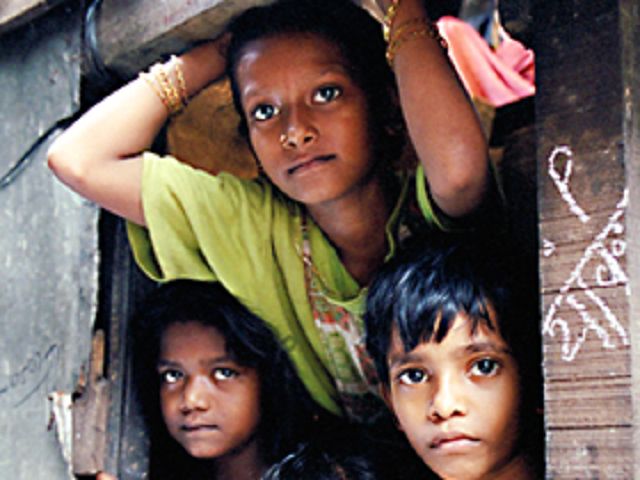
"Despite increasing recognition of behavioral effects on health, and increasing availability of products and services that address common health challenges, adoption of both behaviors and solutions is often slow and inequitable."
The Bill & Melinda Gates Foundation is inviting innovators who are developing deliverable, scalable interventions for populations in low- and middle-income countries to apply for its Grand Challenges Explorations programme. The Foundation is specifically interested in solutions that are "interactive, contextual, scalable, and relevant to health systems strengthening....Each round of the Grand Challenges Explorations initiative awards grants against a set of specific topics. In general, topics are chosen according to three major criteria:
- The topic fits within the goals and disease priorities of the Bill & Melinda Gates Foundation.
- The topic contains a roadblock where radical, new thinking is needed for the discovery of an effective health solution.
- Potential projects within the topic are likely to be well suited for the phased structure of the initiative.
In addition, [the Foundation] considers whether a topic will engage the participation from scientists outside traditional global health disciplines, as well as researchers working in the developing world."
Solutions to these challenges might involve education, campaigns, behavioural "nudges", new support and incentive systems for access to care and treatment, and models and tools to understand health-seeking behaviours, constraints, and drivers.
The topics for round 14:
- "Surveillance Tools, Diagnostics and an Artificial Diet to Support New Approaches to Vector Control
- New Approaches for Addressing Outdoor/Residual Malaria Transmission
- New Ways to Reduce Pneumonia Fatalities Through Timely, Effective Treatment of Children
- Enable Universal Acceptance of Mobile Money Payments
- Explore New Ways to Measure Brain Development and Gestational Age
- New Ways of Working Together: Integrating Community-Based Interventions"
Click here and follow links to read more about the types of projects in which the Foundation has interest and the criteria that will shape its decision process.
Applicants can be at any experience level, in any discipline, and from any organisation, including colleges and universities, government laboratories, research institutions, non-profit organisations, and for-profit companies.
Initial grants will be US$100,000 each, and projects showing promise will have the opportunity to receive additional funding of up to US$1 million. Full descriptions of all the topics and application instructions are available by clicking here.
Applications will be accepted until November 12 2014 at 11:30 a.m. Pacific Daylight Time (United States). Click here for full application instructions (there are tips for applicants and the topic statements translated into Portuguese, Spanish, French, and Chinese) and to download and submit the application form.
Email from the Grand Challenges Team on March 18 2014; and Grand Challenges website, April 28 2014 and September 9 2014.
- Log in to post comments