










































Focus Package: Faith-Based Resources
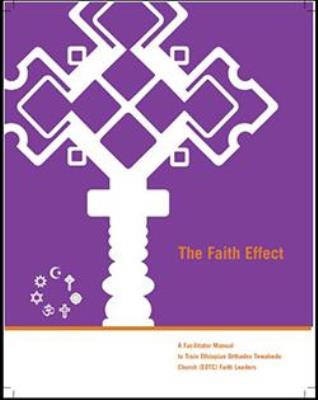
With this resource, Health COMpass provides access to health communication tools and project materials designed or adapted specifically to work with faith leaders or within specific faith communities. Health COMpass recognises the important role faith and faith-based organisations (FBOs) play in many rural, economically poor, and under-served communities, and feel that they can provide "a safe and comfortable entrée to family planning, child survival, HIV/AIDS prevention, maternal and neonatal health, HTSP [healthy timing and spacing of pregnancy], PMTCT [prevention of mother-to-child transmission of HIV], and myriad other health areas, for community members who might not normally seek such services from other sources."
A sampling of their faith-based tools and project examples follows:
Tools -
- Family Planning: Another Way Faith Groups Can Prevent HIV infections - This resource provides faith-based advice for couples when one or both are infected with HIV, such as: a) Pray together for wisdom and courage; b) Decide together, with God’s help, to be faithful; c) To prevent HIV transmission, abstain from sexual relations, or always use condoms; and d) Decide together, with God’s help, whether to have a baby.
- ESD (Extending Service Delivery) Model: Mobilising Muslim Imams and Religious Leaders as Champions of Health and Family Planning - The planning steps include a) identifying champions and building alliances; b) fostering partnerships; and c) adapting ESD's generic religious leaders' facilitator manual to local context. The implementation phase includes Phse 1: capacity building and Phase 2:outreach services. Phase 3 is about documentation and dissemination to assess changes in knowledge, attitudes, and practice as well as monitoring and evaluating in an ongoing fashion. Examples of these communication strategies include trainings, monthly meetings to share lessons learned, skills building sessions, and diverse outreach practices such as individual sermons, one-to-one couples counselling, family and social events, and radio message development. Mentoring and peer support figure heavily in longterm success.
- Muslim Khutbah Guide to Save the Lives of Mothers and Newborns: A Toolkit for Religious Leaders
- Developing Strategic Plans: A Tool for Community- and Faith-based Organisations
Projects -
- Early Marriage and Female Genital Cutting - Ethiopian Orthodox Church Faith Leader Toolkit -The toolkit is designed to educate faith leaders and make it easier for them to talk about early marriage and female genital cuttin. This toolkit includes medical facts and theological references to help faith leaders speak out against these harmful practices and to answer tough questions they will receive along the way. The sections contain discussion questions, religious references, and activities appropriate for several different audiences and can be taught as unified lessons or excerpted and/or modified.
- HIV Training Guide for Religious Leaders on Interpersonal Communication - This curriculum helps teach religious leaders how to more easily communicate important information about HIV and AIDS by training them in four basic interpersonal communication skills: active listening, asking questions and probing, speaking simply, and using support materials to help deliver information.
- Stopping a Killer: Preventing Malaria In Our Communities. A Guide to Help Faith Leaders Educate Congregations and Communities About Malaria.
- A Happily Married Life: A Guide for Counsellors and Faith Leaders Working with Married Couples in Christian and Muslim Communities in Malawi in the Context of HIV and AIDS
The Health COMpass invites organistions and individuals to register to become part of this community of practice and to contribute faith-based resources.
The Health COMpass website on February 24 2014.
- Log in to post comments