










































CORE Group Working Groups
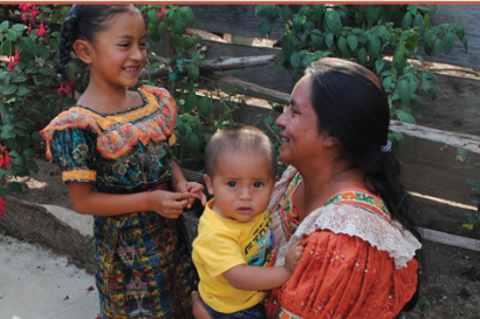
The CORE Group works toward building "a world of healthy communities, where no woman or child dies of preventable causes". It seeks to fulfill that vision by working with its 50+ member organisations and network of partners to generate collaborative action and learning to improve and expand community-focused public health practices for under-served populations around the world. It gives particular emphasis to women of reproductive age and children under 5 because, according to The CORE Group, they are the most vulnerable to death and illness from poverty and disease.
The CORE Group has eight Working Groups which create a chance for CORE Group organisational members, academics, policymakers, advocates, and others to come together in a community of practice to develop tools and strategies that help advance community health practices.
Typical Working Group outputs include:
- "state-of-the-art tools, practices, and strategies to benefit field programs developed;
- intelligence and insights exchanged related to best practices, resources, and opportunities;
- private resources and expertise linked in;
- professional development for individual members;
- organizational partnerships and capacity built; and
- representation in policy dialogues at the global level."
Current Working Groups include:
- Community Child Health - Developing, documenting, and advocating for programme approaches that maximise community-based child health impact, and reduce mortality from preventable diseases such as pneumonia, diarrhea, measles, and newborn sepsis.
- Safe Motherhood and Reproductive Health - Supporting maternal and reproductive health by promoting up-to-date, evidence-based practices for community-based programmes that focus on antenatal services, safe delivery, newborn health, and family planning.
- Nutrition - Underscoring the critical role of nutrition in maternal and child health through creation and dissemination of information and tools for quality nutrition programming, with a focus on breastfeeding, infant and young child feeding, recuperative feeding, micronutrients, and essential nutrition actions.
- HIV/AIDS - Ensuring that HIV/AIDS programming is adequately integrated into effective child survival, maternal health, and primary health care services as part of a community-based and holistic approach.
- Malaria - Supporting existing national collaborative partnerships and promoting new partnerships in which non-governmental organisations (NGOs) actively engage in national level policy formation and programming to scale up community-based malaria prevention and control interventions, including use of insecticide-treated bed nets, prompt diagnosis and treatment for children and pregnant women, and environmental management.
- Tuberculosis - Enhancing NGO capacity to support quality TB programmes at the community level, including case finding, treatment support, and stigma reduction.
- Social and Behaviour Change - Contributing to improved maternal and child health by strengthening the capacity of health practitioners to design and implement effective social and behavioural change strategies that respond to individual, family, community, institutional, and policy factors while documenting and disseminating valuable experiences.
- Monitoring and Evaluation - Creating quantitative and qualitative tools and trainings to increase child survival and health programme performance and quality through the standardisation of use of data, analysis, and reporting.
Each CORE Group Working Group has its own listserv and annual workplan, devised and put into action primarily by the Working Group members themselves. Members of Working Groups focus on technical and crosscutting issues and undertake activities that address priority issues, needs, and opportunities identified by members.
Click here for more information on the Working Groups.
Children, Family Planning, Health, HIV/AIDS, Malaria, Nutrition, Tuberculosis, Women
CORE Group website, accessed on March 18 2010 and December 15 2015.
- Log in to post comments