











































CHILD HEALTH - Social Shakes
The Communication Initiative
Below is part of an overall paper called "SOCIAL SHAKES - rethinking the core principles for principled and effective development action" - the full Table of Contents is here.
CHILD HEALTH
For a very long time before 1990, the world had comparatively cheap and effective interventions to prevent the most common forms of child and infant mortality and morbidity. The first vaccination was given in 1796! But, more realistically: BCG (1921), penicillin (1928), yellow fever (1936), whooping cough (1939), influenza (1945), polio (1955), and MMR vaccines (1950s) were all available for use pre-1970.8
However, in 1990, the great majority of the countries in the world had very high infant and child mortality rates. Basic immunisations and oral rehydration could have vastly reduced the deaths and serious illnesses experienced by a huge number of children in the world. In most contexts, they were completely absent.
UNICEF as the lead children's agency in the UN system and the world took note. Why was there this huge mismatch between high levels of child death and illness and the quick, simple solutions that would prevent death and treat illness? Why was there a massive failure to implement those solutions at great scale?
The UNICEF response was a communication effort to negotiate and adopt the Convention on the Rights of the Child, also known as "First Call for Children" (a title hidden deep in the text, as countries did not want the "first" label - so it was later extracted as the title!). This was followed by an equally huge communication effort to ensure adoption, ratification and adherence to the Convention.
It is both notable and instructive that UNICEF did not seek adoption of a convention called the Convention on Programming for the Needs of Children, or some equivalent "needs", "interventions", "programmes", "strategies" or "solutions" title such as the Convention to Get as Many Health Products as Possible to as Many Kids as Possible! (or a shorter version!)
They chose rights as the heart of the approach. Rights are sensitive - they require debate, dialogue, conversation, advocacy and clarity concerning meaning. They need communication.
Rights are also, by their very nature, inclusive and equal. There is no technical ownership of people's rights. Communication is central to the rights process. The technologies followed in that context. Perhaps we have now reversed that order to the detriment of further child health progress.
There was one other communication element of the UNICEF approach that further centralised communication at the centre of the strategy and the substantial progress made. James Grant, the iconic Executive Director of UNICEF, was adamant that UNICEF was the secretariat for a movement - that this was not UNICEF's programme. As we have already seen from the other examples above, helping to foment a movement is a crucial communication role for effective and broad-scale action that leads to making a big dent in some very difficult development issues.
The progress made on child health from 1990 (when the Convention on the Rights of the Child was adopted) to around 2005-2010 was remarkable. Since then, progress has been somewhat slower. Perhaps we have reached more difficult contexts in which to operate. Maybe the strategic pendulum has swung too far towards programming and too little towards social-movement-focused communication.
8 http://www.historyofvaccines.org/content/timelines/all
The next section in this paper is OVERALL SOCIAL CHANGE - the new terrain we walk.
The previous section in this paper is HIV/AIDS.
Editor's note: Above is an excerpt from Warren Feek's paper "SOCIAL SHAKES - rethinking the core principles for principled and effective development action".
The full table of contents for this paper can be accessed at the bottom of the opening page.
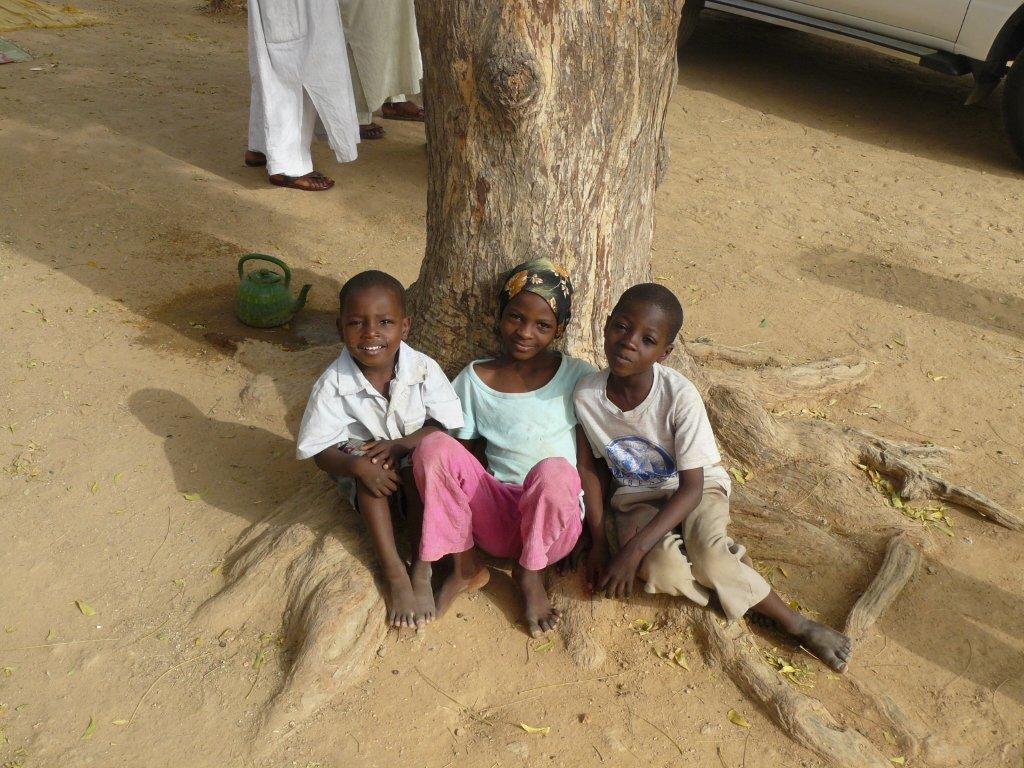
Image credit: Chris Morry, The Communication Initiative
- Log in to post comments