










































Calling All Producers: Creating Media for Hispanic-Latino Families
"Read on for tips to help ensure your products are inclusive, relevant, and thoughtfully distributed for Hispanic-Latino families in the United States."
Developed for the Joan Ganz Cooney Center's Aprendiendo Juntos (Learning Together) Council (AJC)'s Research-to-Practice (R2P) series, this tipsheet shares suggestions for media producers looking to create content that successfully engages Hispanic-Latino families. AJC is a multi-disciplinary consortium of researchers, practitioners, policymakers, and producers who are working to better understand how Hispanic-Latino families with young children use media and technology in their daily lives for work, education, and play. (See Related Summaries, below.)
In brief, tips include:
- Make your product relatable: Consult with language, curriculum, and community experts as you design content; build in time to test your product with Hispanic-Latino audiences; and invite families to create and share their own content by contributing to a conversation on YouTube.
- Create language and learning supports:
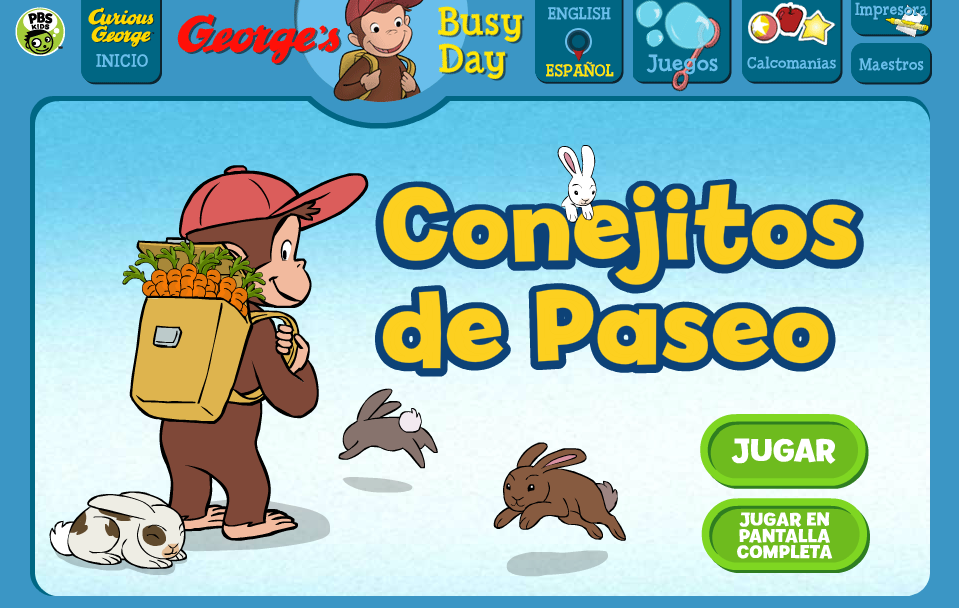
- Provide an easy way to access and navigate parent-facing media content in English and Spanish - e.g., through a Spanish-English toggle on the title screen of an app/site.
- Recognise that standard English-to-Spanish translations don't always capture the nuances of the wide variety of dialects spoken by Hispanic-Latinos. If translating content, consider who your intended audience is, engage Spanish speakers in the design process, and provide channels for consumer feedback.
- Make closed captioning and subtitles available for videos on your YouTube channel to give families the opportunity to engage with content in both languages.
- Rely heavily on visuals to convey your message to enable low-literate children and adults to communicate without words.
- Make sure that information about your educational media product is easily found in the places that parents are already looking - e.g., digital channels like YouTube and Google are tools many parents already use to support learning for the whole family.
- Think mobile, considering that, for example, 41% of immigrant Hispanic families report having mobile-only internet access. When possible, make your content available offline and work to keep file sizes as low as possible. Limited data plans, device storage, and weak connectivity can impact a family's access to your content.
Examples of, and links to more information about, programming from Sesame Street, PBS Kids, and the Joan Ganz Cooney Center are provided to illustrate these tips.
2
Joan Ganz Cooney Center website, September 7 2016. "Sesame Street" ® and associated characters, trademarks, and design elements are owned and licensed by Sesame Workshop. All Rights Reserved.
- Log in to post comments