










































Aunties and Uncles: A Home-Based Adult Mentoring Program for Orphans and Vulnerable Children
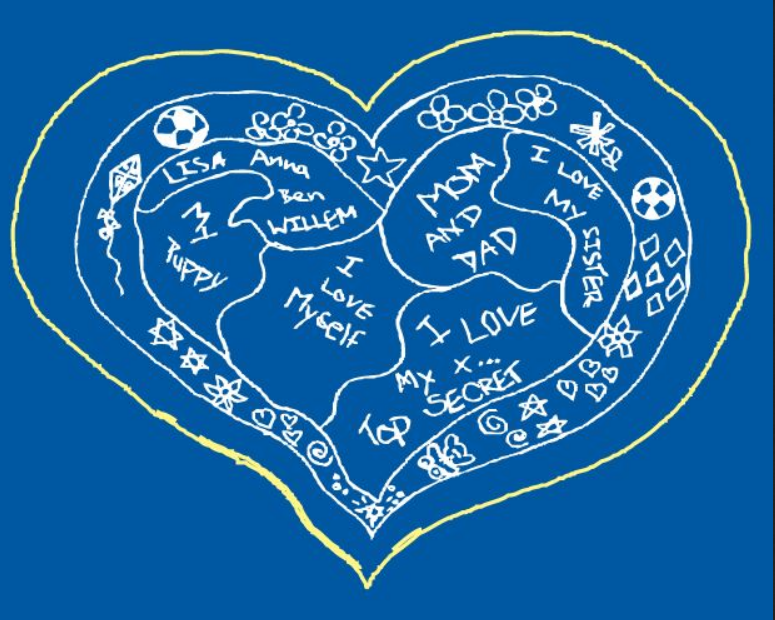
The Aunties and Uncles programme in Botswana was established under the Basha Lesedi project to help vulnerable children and youth, including orphans, live happier and healthier lives by supporting adults within their communities to act as mentors. Published by FHI360, this manual is designed to assist mentors in the programme, and can be used as a guide by other organisations who want to set up similar programmes. FHI 360’s Star Model of Service and Support — which adopts a holistic and integrated approach to caring for children, youth and families — helps guide the activities of mentors in the programme, as outlined in this manual. The manual includes an explanation of the Star Model and how to apply it, suggested activities to conduct during home visits for children of various ages and caregivers, and instructions for documenting and reporting interventions and progress. The manual also contains information and tips on child development, Positive Living and the prevention, care and treatment of HIV/AIDS.
According to FHI360, the programme focuses on children ages 10-17 who are considered vulnerable because they meet the Botswana government's definition of an orphan or vulnerable child. This manual is divided into 3 parts: Part I contains tips on how to establish a relationship with the child and his/her family as well as activities which can be used during family visits. Some activities are for children, some are for caregivers and others can be conducted with both children and adults. Each chapter in Part I contains activities that relate to a specific content area, and describes the target audience, the estimated time to complete the activity, the materials required for the activity, and the instructions for conducting the activity. Part II contains reference material that can help mentors prepare for household visits and counselling sessions and Part III contains the annexes which include important forms, tools and other information needed for programme delivery and management.
The manual has the following chapters:
- Chapter 1: Getting to know the family
- Chapter 2: Building the relationships
- Chapter 3: HIV prevention
- Chapter 4: HIV testing and disclosure
- Chapter 5: Antiretroviral treatment and taking medications
- Chapter 6: Positive living
- Chapter 7: Stigma and discrimination
- Chapter 8: Child Abuse: The secret that must come out
- Chapter 9: Helping caregivers talk with their children
- Chapter 10: Basic counselling and communication skills
- Chapter 11: Basic health and hygiene
- Chapter 12: How to use condoms
English
104
FHIi360 website on August 15 2013.
- Log in to post comments