










































Advocacy Tool Kit on Pediatric HIV Treatment
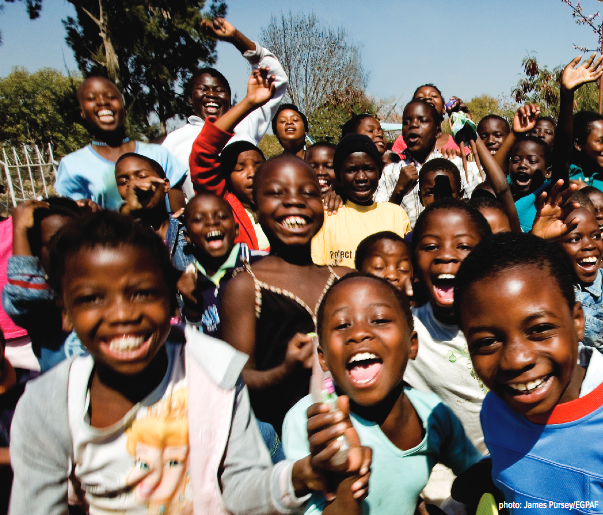
This advocacy tool kit to promote paediatric HIV treatment was developed in partnership with the Organization of African First Ladies against HIV/AIDS (OAFLA) and the Elizabeth Glaser Pediatric AIDS Foundation (EGPAF) to guide African First Ladies in their advocacy efforts in country and within the region.
OAFLA was founded by 37 African First Ladies in 2002 as a collective voice for Africa’s most vulnerable people: women and children infected and affected by HIV and AIDS. As explained in the guide, “AFLA works to enable African First Ladies to advocate for effective policies and strategies toward ending the AIDS epidemic as a public health threat, reducing maternal and child mortality, and empowering women and children through strategic partnerships in the spirit of solidarity. OAFLA’s mission is to cultivate the exchange of experiences among African First Ladies and increase the capacity of First Ladies and other women leaders to advocate for effective solutions to respond to the AIDS epidemic, as well as fight against HIV/AIDS-related stigma and discrimination.”
The toolkit offers the First Ladies Offices statistics, key facts, and key messages that they can use to take action around paediatric HIV treatment through education campaigns, policy reform, and awareness-raising events. It also offers guidance on how best to go about raising awareness and advocating around the issue.
The toolkit is divided into the following sections:
- Introduction - introduces the Organization of African First Ladies against HIV/AIDS and the Elizabeth Glaser Pediatric AIDS Foundation.
- Understanding Pediatric HIV Treatment - looks at the key issues that need to be addressed related to paediatric HIV treatment, which includes prevention of mother-to-child transmission of HIV (PMTCT), early infant diagnosis and linkage to care, pediatric formulations for antiretrovirials (ARVs), and stigma and discrimination. It offers key facts and key messages around each of these issues.
- Action Needed by First Ladies to Address Pediatric HIV Treatment - this section identifies three broad areas that need action by African First Ladies to drive the biggest change in the reduction of the paediatrics HIV treatment gap. These include raising awareness, mobilising resources, and influencing policymakers and agenda setters.
- Tools for Engagement - includes proposed steps for First Ladies and their staff members to take actions forward and further paediatric HIV treatment efforts in country. The following activities are discussed as opportunities for engagement and awareness raising: engagement with diverse leaders; using sports and culture/arts/music events, as well as community events (a section is dedicated to each of these); engaging the media; participating in issue-specific campaigns; and raising funding and resources for paediatric treatment.
English, French, and Portuguese
20
Elizabeth Glaser Pediatric AIDS Foundation website on August 24 2016.