










































Targeting Preschool Children to Promote Cardiovascular Health: Cluster Randomized Trial
Fundación Cardioinfantil Instituto de Cardiologia (Céspedes, Briceño, Leal, Dennis); Mount Sinai School of Medicine (Farkouh, Vedanthan, Boffetta, Hunn, Fuster); Peter Munk Cardiac Centre and Li Ka Shing Knowledge Institute, University of Toronto (Farkouh); Sesame Workshop (Baxter); George Institute, University of Sydney, Australia (Woodward); Centro Nacional de Investigaciones Cardiovasculares (CNIC) (Fuster)
"School programs can be effective in modifying knowledge, attitudes, and habits relevant to long-term risk of chronic diseases associated with sedentary lifestyles."
Noting that negative health behaviours initiated in childhood may persist through adulthood, leading to risk factors of cardiovascular disease (CVD) and other chronic diseases, particularly in low- and middle-income countries, researchers developed a long-term paedagogic and communication research programme aimed at developing and evaluating effective strategies for modifying the knowledge, attitudes, and habits of preschool children and other stakeholders in Colombia.
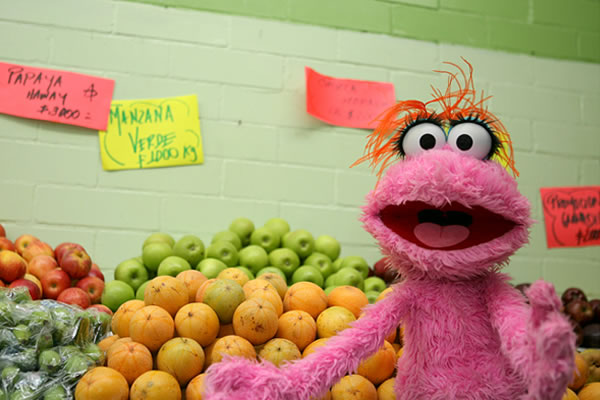
The researchers conducted a cluster, randomised controlled trial in 14 preschool facilities in Usaquén (Bogotá, Colombia) between May and November 2009. Usaquén represents the different socioeconomic status levels seen in Colombia and includes an underprivileged community with a high migration rate. Based on social cognitive theory and the transtheoretical model in health promotion, the intervention sought to teach preschool children key messages on the importance of healthy eating and living an active lifestyle in 3 integrated areas: body and heart, nutrition, and physical activity. Children (3 to 5 years of age) in the intervention group were provided classroom educational and playful activities during 5 months, which included: Sesame Workshop Healthy Habits storybooks, posters, videos, games, and songs (1 hour daily); a "Healthy family day" workshop (1 hour); and weekly health notes. Parents participated in 3 workshops and received weekly notes containing positive health messages about nutrition and active lifestyles to share with their children. Teachers also participated in 3 centralised training sessions, plus personalised working sessions with a research supervisor (2 hours every 15 days), and received a teacher's guide. Meanwhile, the control preschool facilities continued with their usual preschool curriculum. As part of a requirement of a local institutional review board, these preschool facilities were provided with a similar intervention of 8 months after the initial 5-month study ended.
A total of 1,216 children, 928 parents, and 120 teachers participated. A structured survey was used at baseline, at the end of the study, and 12 months later. Children in the intervention group showed a 10.9% increase in tests of knowledge, behaviours, and attitudes around healthy eating and living (compared to a 5.3% increase in the control group). With regard to parents, the results paralleled those of children - with gains in the intervention group of 8.9% versus only 3.1% in the control group. Among teachers, the results were 9.4% and 2.5%, respectively. One year after the intervention, children in the intervention group still showed a significant increase in weighted score.
The researchers note that "[t]he effectiveness of the intervention was related to the active participation of the entire educational community, who, motivated by a desire to improve health of preschool children, were a positive influence on their eating and physical activity habits." They conclude that "[p]reschool programs are feasible, as they reach virtually all children at a relatively low cost with existing infrastructure."
Email from Jorge Baxter to The Communication Initiative on January 7 2013. The American Journal of Medicine, Volume 126, Issue 1, January 2013, Pages 27-35. Image credit: Sesame Workshop