










































Mental Health of Children
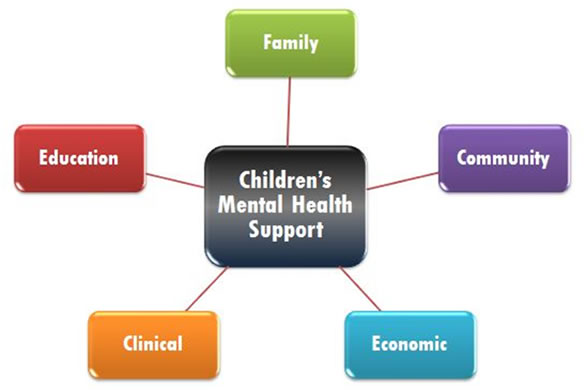
Author: Rana Tassawar Ali, November 14 2014 - Children are the future of world, and, without their survival, development, protection and participation, the world cannot have peace for all. This is the time of investment in children for making them profitable assets, and we need to work collectively on reducing liabilities. The biggest liabilities or issues are still unsolved - globally children are living without basic education and health care. Now the world is focusing on the post-2015 agenda, and highly ranked professionals and think tanks of the world are engaged in setting goals. It should be clearly understood by world leaders that without prioritizing children’s rights and a focus on their issues, the world will not change to be a better place.
The Child Rights Convention is a prestigious document for protecting children in the world, and children of this modern world are deserving of healthy minds. The healthy minds of children are a critical resource due to their good mental health. In the world, generally children have no access to basic mental health, even those who are survivors of stigma and discrimination.
It is time to deal with children’s mental illness the same way we treat their other physical disorders. All children of the world have the right to lead happy and healthy lives, and they deserve access to effective mental health care for a better future. Globally, millions of children are surviving different psychological disorders, and many more children are at risk of developing psychological disorders due to risk factors. There is great need for mental health programs at the school and community levels. In post-2015, goals should prioritise mental health as a top physical health concern.
The right to good mental health is linked with children’s development and protection, especially when children are out of school. The reason may be that they have learning difficulties. Children who face environmental stress often achieve poor results in school, and they need certain creative therapies. The world should focus on families and schools as these are the basic units where early diagnosis will be fruitful.
"There is no trust more sacred than the one the world holds with children. There is no duty more important than ensuring that their rights are respected, that their welfare is protected, that their lives are free from fear and want and that they can grow up in peace.” (Kofi Annan)
Rana Tassawar Ali