











































Step-by-Step Guide to Concept Testing
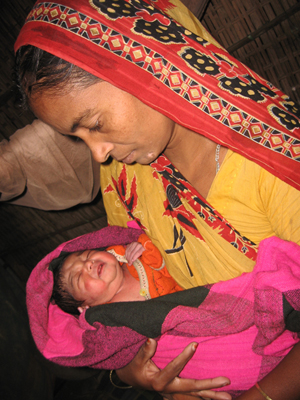
From Alive and Thrive, this handout comes from a "Research to Action" case study on designing communication on child feeding in Bangladesh. It defines concept testing and shows how the programme used it before writing scripts for TV spots. Concept testing is a preparatory step to designing any type of programme activity or material. The handout and video below are step 2 of a 3-step process including: 1) Building a strategy; 2) Concept testing; and 3) Pretesting, available by clicking here and through Related Summaries below.
As a method, concept testing explores the emotional appeals that work to bring about behaviour change. In this case study, the challenge was getting people’s attention and moving them to action, e.g. through using television to support on-the-ground nutrition counselling to have a real impact on children’s health and intellectual growth on a country-wide scale. Because TV spots must "compete for people’s attention and go up against powerful advertising," the needs for media concepts were the following, as described by the programme: "We wanted our ideas to 'stick' and be remembered. And we wanted to play them over and over, so we needed something with entertainment value and that people wouldn’t tire of over time. High production values, an appealing 'look and feel', and good stories with an emotional punch would 'break through the clutter'."
Thus, the programme turned to concept testing as a way to pick the most moving appeals: a single, distinct approach to a storyline that conveys the same message in several different ways. They wanted to learn:
- "What storylines and emotions work best
- Which characters would be persuasive
- One or two “facts” that make the case for people to practice the behavior
- The most compelling positive benefits of doing the behaviour."
The script designers gathered information by viewing TV spots for commercial products related to infant and child feeding and for other consumer goods and talked with experts experienced in monitoring media campaigns to get "a good sense of the range of appeals at work: humor, fear, 'warm-and-fuzzy', confidence, authority." For each concept, they looked for the feelings it evoked and its appeal, credibility, persuasiveness, and "emotional punch."
The programme then tested their concepts with pregnant mothers and with influencers like fathers, grandmothers, and health workers like doctors and traditional birth attendants through interviews in which they described the characters, action, and emotion in the story line being tested and showed 3 options about which they asked for responses on meaning and belief in the characters and their choices and about possibility and benefits. Interviewees were asked to choose one of the options and suggest improvements, which were then applied to story lines prior to the next step: "Our next step was to create an animated storyboard for each of the 6 spots. Through pretesting, we would find ways to refine the materials and messages." See the case study for a description of this pretest step.
5
Email from Sarah Meyanathan to The Communication Initiative on April 17 2012.
- Log in to post comments