











































Pediatric HIV Treatment Toolkit: A Practical Guide to the Implementation of the 2009 World Health Organization Pediatric HIV Treatment Recommendations
Image
SummaryText
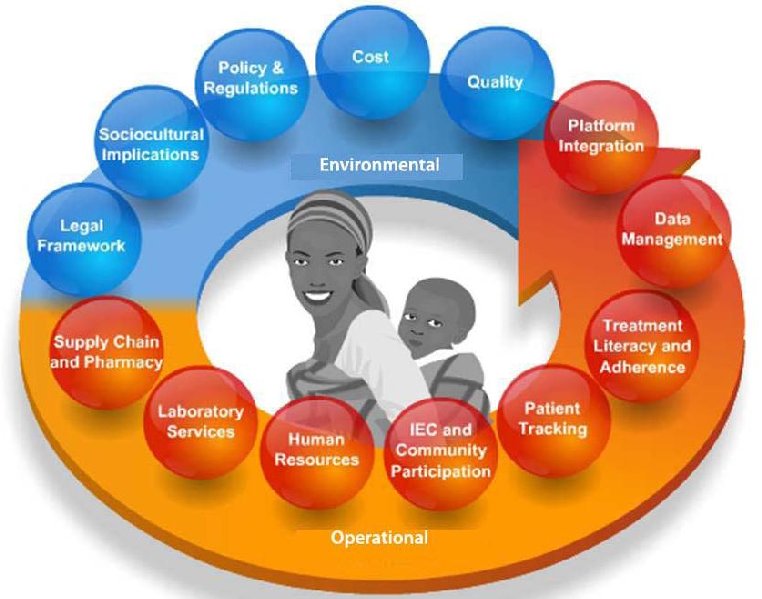
From the AIDS Support and Technical Assistance Resources (AIDSTAR-One), the Pediatric HIV Treatment Toolkit provides tools, resources, and training materials for managing paediatric HIV care and treatment services to meet the latest World Health Organization (WHO) and national treatment guidelines. The toolkit is designed to provide an overview of the implementation issues that might need to be considered by programme planners, implementers, and policymakers seeking to ensure that their paediatric HIV treatment efforts align with the WHO's latest guidelines.
Key topics covered include:
- Conducting a situational analysis and resource assessment.
- Creating an enabling environment, which involves close consultation with key stakeholders from health, social services, and other relevant government departments, as well as efforts to build and maintain political partnerships and to involve a range of stakeholders at all levels of society. Other communication-related topics explored in this section include:
- providing appropriate training and supportive supervision for all health care workers;
- mobilising the community and involving people living with HIV (e.g., "Program implementers should work with local advocacy organizations and journalists to develop targeted campaigns and education materials for all stakeholders, including radio messages, community events (such as dramas), as well as door-to-door campaigns to emphasize the importance of early testing and treatment of infants and children..."); and
- addressing issues of consent for infant testing.
- Operational issues and considerations, including: supply chain and laboratory and supply chain and pharmacy.
- Operational issues and considerations, including:
- human resources;
- information, education, and counselling and community promotion (e.g., "Peer mothers living with HIV can be trained to identify, educate, and refer pregnant women from PMTCT programs, antenatal clinics, and the community to pediatric HIV CT [counselling and testing] services. Engaging in collective dialogue with mothers-in-law, elder ladies of the community, and TBAs [traditional birth attendants] can have a profound effect on the health-seeking behavior of women"); and
- treatment literacy and adherence.
- Operational issues and considerations, including: integrations without existing platforms, data management, and patient tracking and retention.
Publication Date
Number of Pages
78
Source
AIDSTAR-One's "HIV Treatment Guideline Tools, Costing Models and More", September 12 2011.
- Log in to post comments