










































CUBIC's Behavioral Science Toolkit: How to Implement a Behavioral Science Project in Practice
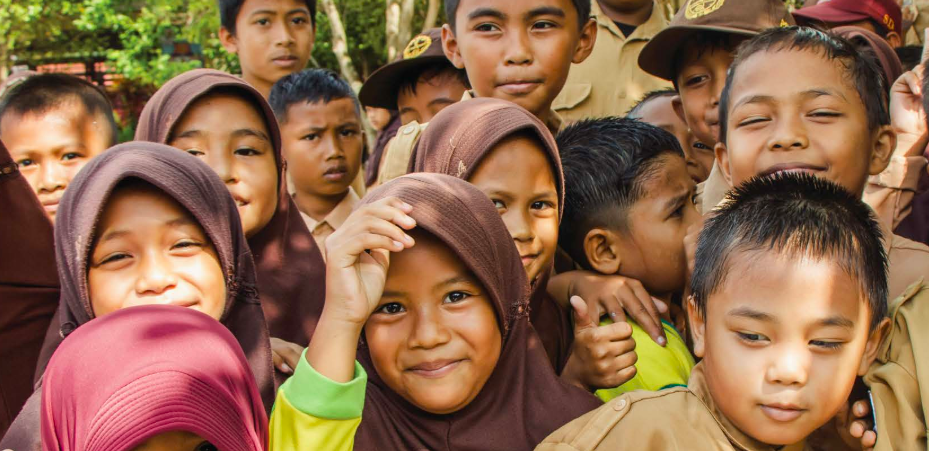
"Most projects naturally start with a broad overall challenge, such as reduce violence at home, increase children's vaccination rates, or retain more children in school."
This document presents practical tools and processes for conducting a behavioural science project that addresses issues affecting children. The toolkit was developed by the Center for Utilizing Behavioral Insights for Children (CUBIC), a project of Save the Children International that specialises in behavioural science with a focus on the rights and welfare of the most marginalised children. As part of its mandate, CUBIC's work involves supporting programme design, which includes the development and testing of prototypes that support behaviour change. These products address behavioural barriers and aim to increase commitment to a specific behaviour.
The toolkit is framed around the five-phase TESTS (Target, Explore, Solution, Trial, Scale) approach developed by the Behavioral Insights Team (BIT). It presents specific tools and processes for each phase taken both from BIT's TESTS approach and EAST (Easy, Attractive, Social Timely) framework, as well as the Economic Co-operation and Development (OECD)'s BASIC (Behavior, Analysis, Strategy, Intervention, Change) approach. Tools include, for example, diagnostic frameworks, templates, lists, process maps, data collection tools, and protocols.
This resource is meant to be a guide for staff joining CUBIC, and for any partner interested in conducting a behavioural science project following the TESTS approach on their own. As noted in the toolkit, there is no one-size-fits-all approach, and not all tools are appropriate for all projects and research questions, so the tools presented are only intended to be a selection of options to choose from.
The toolkit is structured as follows, with tools being recommended for each of the 13 steps within the five phases:
Phase 1: Target - Define and narrow the behaviour change.
Steps:
1. Define the Concrete Behaviour and Actor
2. List of All the Potential Barriers
3. Analyse Preliminary Results
Phase 2: Explore - Conduct formative research to determine WHY the behavioural challenge happens, and test behavioural hypotheses.
Steps:
4. Validate Assumptions
5. Analyse Results and Prioritise Barriers
Phase 3: Solution - Apply behavioural insights, collaboratively design and pilot solutions, and gather community feedback.
Steps:
6. Brainstorm Solutions
7. Prototype Solutions
8. Select 1-2 Solutions to Test
Phase 4: Trial - Test solutions via experiments wherever possible (randomised controlled trial (RCT) or quasi-experimental design).
Steps:
9. Assess the Prototype(s) with End-users
10. Analyse Results from the Assessment and Refine Prototypes
11. Design the Experiment
12. Implement the Experiment and Analyse Results
13. Adapt Solution Based on Experiment Results and Repeat the Experiment
Phase 5: Scale - Further refine, adapt, and support actors to scale up the solutions that worked.
Save the Children Resource Centre website on June 12 2024. Image credit: CUBIC
- Log in to post comments