










































Big Bird Looks at the World Season I Evaluation Report
University of Memphis (Hsueh); Huazhong University (Zhou, Tian, Sun, Fan); Southwest University (Su)
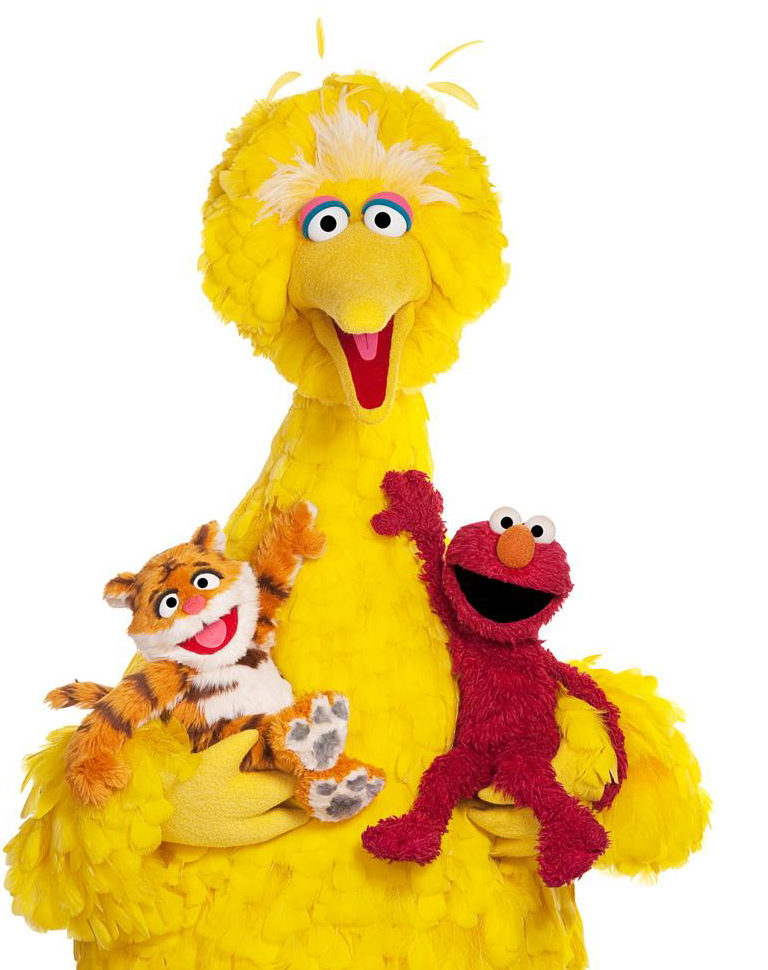
Big Bird Looks at the World (BBLW), the Chinese co-production of Sesame Street, launched in December 2010. Focusing on the theme of science and discovery, the 52 episode, 11-minute television series aims to use science as a vehicle to promote curiosity, observation, and hands-on investigation among Chinese children ages 3 to 7. More than 20 million Chinese children have watched. (Editor's note: Zhima Jie - see Related Summaries, below - was produced from 1998 to 2001, for a total run of 130 half-hour episodes. It returned in 2010 as Zhima Jie: Da Niao Kan Shijie, or Sesame Street's Big Bird Looks at the World). It is based on a curricular framework centred on 3 themes: science and discovery, health and the human body, and nature and the environment. The report describes findings from a summative evaluation of the educational impact of BBLW on children's science knowledge, as well as teachers' perceptions of the value of the series.
The research took place in rural and urban areas in Wuhan and Chongqing. A total of 1,951 children and 59 teachers participated in the study. In addition, 1,706 parents reported on their children's media habits. Approximately half the children were randomly assigned to watch the series in school over a 7-week period; the other half carried on with their normal classroom routine. Quantitative measures of children's science knowledge before and after exposure were augmented with qualitative interviews with teachers. Findings on BBLW's impact include:
- Strong educational impact on multiple science domains - In all 3 (science and discovery, health and the human body, and nature and the environment), children who watched BBLW scored higher than those who did not watch. The results were robust over and above effects of area (rural vs. urban), mother's education, grade, gender, and children's prior performance. Effect sizes ranged from 0.1-0.4, which are comparable to many early childhood interventions.
- Evidence of greater impact among rural children in some outcomes - Rural children were especially likely to show gains in their knowledge of hygiene, health, and animals' body coverings compared to urban children.
- Teachers had favourable opinions of the show - They reported that their students learned from the show (93%) and enjoyed it very much (75%). They largely felt that the series was educationally valuable and age-appropriate and that they would use it in the classroom as a teaching resource. Teachers expressed the wish for the show to be more interactive, to lead to more hands-on activities, and to be integrated into their curriculum.
In conclusion, BBLW "had a clear positive impact on Chinese children of 3-7 years old, particularly considering that children watched each episode only once without mediation from the teacher on the subject matter. Children's gains in science knowledge and their eagerness to watch more episodes, and parents' and teachers' enthusiasm about the series as a teaching and learning tool, suggest that the series was effectively educational and entertaining for the target audience. There appears to be a great potential for the future series to play an important educational role in young Chinese children's lives. This potential can be realized with persistent effort to understand Chinese children's learning contexts and the needs of Chinese teachers who provide science instruction."
To request a copy of the full evaluation (94 pages) or a summary document of it (14 pages), please contact June Lee June.Lee@sesame.org
Email from June Lee to The Communication Initiative on September 21 2012."Sesame Street" excerpts provided courtesy of Sesame Workshop (New York, New York) © 2012 Sesame Workshop. "Sesame Street" ® and associated characters, trademarks, and design elements are owned and licensed by Sesame Workshop. All Rights Reserved.
- Log in to post comments